
 Vidalista Dosing: Daily Versus On-demand Strategies
How Vidalista Works: Daily Versus on Demand
Vidalista (tadalafil) improves erections by inhibiting PDE5. Daily and on‑demand approaches use the same mechanism; they differ in dosing schedule, steadiness of levels, and spontaneity offered for users.
Low‑dose daily regimens (commonly 2.5–5 mg) maintain steady plasma tadalafil, enabling near‑constant readiness and more natural spontaneity. They may reduce peak‑related side effects but require daily adherence and monitoring.
On‑demand dosing (typically 10–20 mg) is taken about 30–60 minutes before sex, producing higher peaks that support performance when timed correctly. It offers cost‑savings and intermittent exposure for many.
Choosing between approaches hinges on lifestyle, frequency of activity, side‑effect tolerance and comorbidities. Discuss goals, health status and other medications with a clinician to tailor strategy safely and effectively.
Benefits and Drawbacks of Daily Low Dose Use
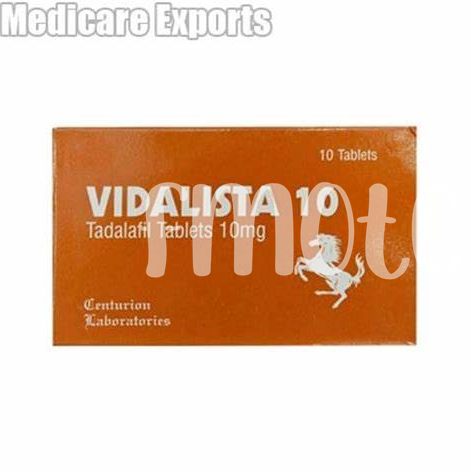
Many men describe daily low-dose therapy as quietly transformative: a small, consistent pill smooths blood flow and lets intimacy feel spontaneous rather than scheduled. With vidalista taken regularly, morning erections and reduced performance anxiety can restore confidence without the planning required by higher, on-demand doses.
Still, continuous use brings trade-offs: daily side effects such as headache, flushing or muscle aches may be more noticeable over time. Long-term cost, pill adherence and interactions with nitrates or alpha-blockers must be carefully managed with a clinician’s oversight.
Choosing daily therapy often means a trial period to assess benefits versus inconveniences; regular follow-up lets men tailor dose, weigh spontaneous intimacy gains against side effects, and switch strategies if needed.
On Demand Strategy: Timing, Efficacy, Real World Results
When spontaneity matters, many men opt for an as-needed approach with vidalista. Taken before anticipated intimacy, a single tablet gives flexible timing without daily commitment. Understanding onset and duration is central to planning.
Onset typically begins within 30–60 minutes, though food and individual metabolism can delay effects. Peak response occurs around one to two hours, offering a predictable window for activity.
Clinical studies and patient reports show high efficacy for the majority, but response varies; some need dose adjustment or trialing alternate PDE5 inhibitors. Real-world use highlights the importance of honest communication with partners and clinicians.
Avoid heavy meals, allow time for effect, and consult a provider if results are inconsistent or concerns arise about dosing.
Safety, Side Effects, and Drug Interaction Considerations
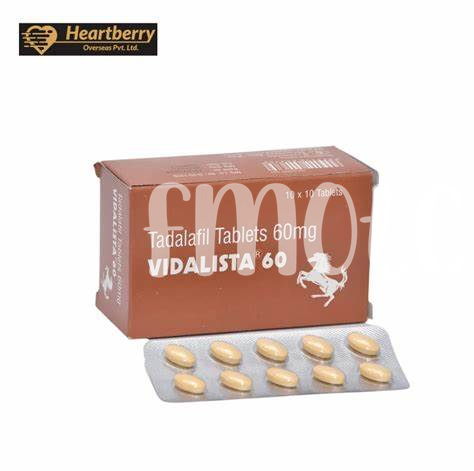
When starting a regimen, many patients notice immediate benefits but also wonder about risks; practical vigilance pays off. Vidalista can cause headache, flushing, nasal congestion, and sometimes dizziness — usually mild and transient, but persistent or severe symptoms warrant medical review. Those with heart disease, low blood pressure, or on nitrates should avoid it entirely because dangerous hypotension can occur; likewise, combining with certain HIV or fungal medicines alters concentrations and needs clinician guidance.
A sensible plan includes reviewing current medications, limiting alcohol, and reporting vision or hearing changes promptly. Dose adjustments, alternative therapies, or spacing medications may preserve effectiveness while reducing harm. Regular follow-up builds personalized safety checks, balancing quality-of-life gains with prudent monitoring so benefits are maximized and risks minimized. Those with diabetes, recent stroke, or organ dysfunction should discuss baseline testing and tailored monitoring with their prescriber regularly.
Lifestyle, Psychological Factors That Affect Dosing Success
Daily rhythms and small habits shape how well a medication such as vidalista works. Regular exercise, consistent sleep, and moderate alcohol use stabilize circulation and metabolism, making responses less variable. Friction from irregular schedules often shows up as inconsistent effectiveness.
Psychological factors like performance anxiety, low mood, or relationship tension can reduce perceived benefit even when physiology is adequate. Techniques such as mindfulness, therapy, and partner communication boost confidence and adherence, improving real-world outcomes for both dosing strategies.
Lifestyle modifications—for example modest weight loss, reduced smoking, and timing meals—alter drug absorption and vascular responsiveness. Simple changes often increase predictability of erections and may lower necessary dose frequency.
Review options with a clinician to match mental health and routines to dosing.
| Factor | Action |
|---|---|
| Sleep | Maintain 7 to 8 hours |
| Alcohol | Limit intake moderately before sex |
| Stress | Use relaxation or therapy weekly |
Choosing between Strategies: Personalized Treatment Decision Guide
Deciding between daily low-dose and on-demand use often feels personal: consider frequency of sexual activity, convenience, and tolerance. Men with frequent, spontaneous encounters may prefer daily dosing for readiness and reduced performance anxiety, while occasional users might favor on-demand use to minimize exposure and cost.
Health status and interactions matter: cardiovascular disease, nitrate therapies, and liver or kidney impairment can push clinicians toward one approach. Discuss medical history and medications with a provider to match efficacy goals and minimize risk.
Personal preference, side effect tolerance, cost, and relationship dynamics should guide the choice. Start low, monitor response, and reassess periodically. Shared decision-making ensures a tailored plan that balances effectiveness, safety, and quality of life overall.