
 Trazodone Interactions: Medications and Foods to Avoid
Dangerous Drug Combinations: When This Antidepressant Meets Others
A single evening dose of trazodone meant to calm racing thoughts can become treacherous when mixed with other prescriptions. Combining it with MAOIs, SSRIs, SNRIs, certain triptans, or some antipsychotics raises the chance of serotonin syndrome, while benzodiazepines, opioids, and alcohol magnify sedation and breathing problems. Cardiac medicines and some antibiotics can compound QT prolongation, increasing arrhythmia risk.
Always tell clinicians about all drugs, supplements, and recreational substances; spacing doses, monitoring ECG, and avoiding abrupt changes reduce danger. If you notice agitation, high fever, muscle stiffness, fainting, irregular heartbeat, or severe drowsiness seek emergency care. Pharmacists can flag interactions and suggest safer alternatives. Confirm with your prescriber before starting or stopping any other medicines first.
| Drug class | Primary risk |
|---|---|
| MAOIs / SSRIs / SNRIs | Serotonin syndrome |
| Benzodiazepines / Opioids / Alcohol | Excessive sedation, respiratory depression |
| Antiarrhythmics / Certain antibiotics | QT prolongation, arrhythmia |
Alcohol and Sleep Aids: Intensifying Sedation and Risks
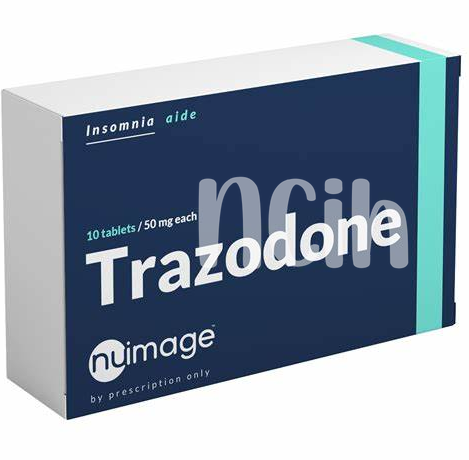
Late one sleepless night a patient took an extra drink and an over-the-counter sleep pill to chase rest, only to find the world oddly heavy and their speech slurred. Combining trazodone with alcohol or other sedatives produces additive central nervous system depression — deeper sedation, slowed breathing, dizziness and a higher risk of falls or accidents, especially in older adults.
Talk with your prescriber before mixing substances, and avoid alcohol or extra sleep aids while adjusting trazodone. If you experience profound drowsiness, difficulty breathing, fainting, or confusion seek emergency care. Pharmacists can recommend safer sleep strategies and timing to minimize overlap; documenting all medications, supplements and alcohol use helps clinicians prevent dangerous interactions and complications.
Serotonin Syndrome Triggers: Antidepressants and Otc Risks
A late-night cough syrup and a newly prescribed trazodone can seem harmless, but mixing medicines sometimes spins a quiet risk into an emergency. Serotonergic effects add up: when two or more drugs increase serotonin, patients may move from mild tremor and agitation to fever and organ dysfunction faster than expected.
Common culprits include other antidepressants, certain migraine triptans, some pain medicines, dextromethorphan in cough suppressants, and herbal remedies like St. John’s wort. Even over-the-counter sleep aids or cold formulas can contain agents that boost serotonin or interact unpredictably with prescription regimens.
Watch for shivering, confusion, rapid heartbeat, or high temperature and seek urgent care if they appear. Always tell providers about prescription and OTC products, avoid starting or stopping drugs without advice, and keep an emergency plan with clear medication lists and a trusted contact who knows your current medications.
Blood Pressure Interactions: Hypertensives and Cardiac Medicines

Imagine starting a medication to ease sleep and mood only to find mornings a bit blurry; trazodone can cause orthostatic hypotension, so combining it with antihypertensives may amplify drops in blood pressure. When paired with ACE inhibitors, ARBs, diuretics or alpha blockers, patients can experience dizziness, fainting or falls, especially during dose changes or when standing quickly. Clinicians often warn about additive effects and recommend low starting doses.
Cardiac drugs demand extra caution: trazodone’s potential to prolong the QT interval means co‑administration with certain antiarrhythmics, some antipsychotics or drugs that inhibit its metabolism (for example, strong CYP3A4 inhibitors like verapamil) raises risks for arrhythmia and severe hypotension. Regular blood pressure checks, ECGs when indicated, slow titration and clear advice about symptoms—lightheadedness, palpitations or syncope—help reduce danger and guide timely adjustments. Discuss interactions with your prescriber before starting or stopping medications.
Grapefruit and Other Foods Affecting Drug Metabolism
I once learned at a clinic how a single citrus snack can change a prescription’s effect — small daily choices matter greatly.
Some fruits and herbal teas alter enzymes that metabolize trazodone, making blood levels unpredictable and side effects worse, and interactions may be delayed.
Avoiding certain juices, large servings of grapefruit, and potent supplements can prevent heart rhythm issues, excessive drowsiness, or toxicity, especially in older adults.
Discuss your diet with clinicians, check labels, and report new symptoms promptly so dosing can be adjusted safely. Carry a short food list.
| Food | Potential Effect |
|---|---|
| Grapefruit | CYP3A4 inhibition → higher trazodone levels |
Practical Tips: Timing, Monitoring, and When to Seek Help
Start by keeping a simple log: note dose times, other medications, and any new symptoms. This habit turns guesswork into clear patterns your clinician can use.
Take doses at the same time each day; many interactions are timing-related. Spacing other prescriptions or supplements by several hours can lower chances of adverse effects.
Watch for warning signs such as severe dizziness, racing heart, muscle stiffness, or high fever and report them immediately. Carry an updated medication list and emergency contacts.
Schedule routine follow-ups and blood tests when recommended, and ask about specific labs tied to your medicines. Before adding over-the-counter drugs, herbal remedies, or alcohol, consult your prescriber or pharmacist. Never abruptly stop antidepressants without guidance—withdrawal and relapse are real risks. If in doubt, call your clinic; early reporting often prevents emergencies and keeps treatment safe and effective for your safety.