
 Tizanidine Dosing Tips: Maximize Benefit, Minimize Risks
Understanding Tizanidine: How It Works Safely
Many people describe tizanidine’s effect as a quieting of noisy muscles: it acts as an alpha‑2 adrenergic agonist in the spinal cord, reducing excitatory neurotransmitter release and lowering muscle tone. Its focused central action produces spasm relief without muscle paralysis.
Safety reflects its short half‑life and hepatic clearance: tizanidine is absorbed and cleared by CYP1A2, so strong inhibitors can raise levels. Reduce doses in liver impairment, avoid ciprofloxacin and fluvoxamine, and expect sedation and blood‑pressure effects.
Because dizziness and drowsiness are common, avoid alcohol and heavy machinery until you know your response. Periodically monitor blood pressure and liver tests during treatment. So discuss dose adjustments with your clinician to balance symptom control, adherence, and safety.
| Feature | Note |
|---|---|
| Mechanism | Alpha-2 agonist — reduces spinal excitability |
| Metabolism | CYP1A2 (adjust with inhibitors) |
| Half-life | Short; requires regular dosing consideration |
Start Low, Go Slow: Titration Best Practices

Beginning therapy can feel uncertain, but small steps reassure: a low initial dose reduces sudden effects while assessing early response and tolerance.
Clinicians commonly increase doses slowly, watching blood pressure and sedation; communicate changes, report symptoms promptly, and avoid abrupt discontinuation to prevent withdrawal.
Patients should keep a diary noting relief, sleepiness, and dizziness; this narrative helps providers tailor titration schedules and choose safest maintenance levels.
Remember interactions matter: combining tizanidine with antidepressants or CYP1A2 inhibitors can magnify effects. Regular follow ups and lab checks improve safety during dose adjustment.
Timing Your Doses: Night Versus Day Strategies
Deciding when to take tizanidine can change daily comfort. For many, evening dosing eases nighttime spasms and helps sleep; the drug’s sedating effect becomes an advantage rather than a limitation. Still, individual responses vary, so treat timing as an experiment to find what fits your routine.
Daytime doses may benefit planned activity by spacing smaller amounts through the day, but increased drowsiness or lightheadedness can interfere with work, driving, or balance. If daytime use is necessary, try low initial doses and avoid operating machinery for several hours after a dose until you know how you react.
Split schedules, taking the largest dose at night and a smaller morning dose, can balance relief and function. Keep a medication diary, check blood pressure when starting or changing times, and discuss adjustments with your clinician to maximize benefit while reducing risk over time.
Avoiding Interactions: Medicines and Food to Watch
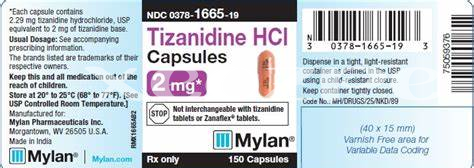
In a busy clinic I once saw a patient whose tizanidine dose was doubled by an antibiotic — a reminder that certain drugs can turn a safe pill into a hazard. Strong CYP1A2 inhibitors such as ciprofloxacin and fluvoxamine markedly raise tizanidine levels, increasing sedation and low blood pressure. Grapefruit and grapefruit juice act similarly and should be avoided. Conversely, smoking can lower tizanidine effectiveness by inducing CYP1A2.
Also be cautious with alcohol, benzodiazepines, opioids and other central nervous system depressants — combined effects can impair coordination and breathing. Blood pressure medicines may add to orthostatic hypotension. Always give your clinician a complete medication and supplement list, including herbal products like St. John’s wort, and ask about liver disease. When in doubt, pharmacists can flag interactions and help you plan safer timing or alternative therapies and monitor for dizziness or excessive sedation.
Managing Side Effects: Drowsiness, Dry Mouth, Hypotension
A fog can settle after early doses; many people notice marked drowsiness and slowed thinking. Acknowledge tizanidine's risk and avoid driving until you know how you respond.
Dry mouth is common—sip water, use sugar-free lozenges, and maintain oral hygiene to prevent cavities. Small behavioral fixes reduce discomfort without stopping therapy. Consider timing doses, avoiding alcohol and other sedatives, and discuss sleep strategies with your clinician.
| Effect | Quick action |
|---|---|
| Drowsiness | Avoid driving; dose at bedtime |
| Dry mouth | Stay hydrated; sugar-free lozenges |
| Hypotension | Stand up slowly; check blood pressure |
Seek medical advice if fainting, chest pain, or severe dizziness occur; dose adjustments or stopping may be necessary. Keep a symptom log and communicate changes to your prescriber.
When to Stop or Seek Urgent Help
If you notice sudden dizziness, fainting, fast heartbeat, severe weakness, or confusion after taking tizanidine, stop the medication and seek urgent medical attention—these signs may indicate dangerously low blood pressure or other serious reactions. Keep a trusted person informed and avoid driving until evaluated.
Also contact your prescriber promptly for unexpected jaundice, breathing difficulty, allergy symptoms, or if withdrawal symptoms emerge after abrupt discontinuation; gradual tapering is often required. Bring a list of all medications and supplements to help clinicians assess risks and recommend safe next steps and follow-up care.