
 Tadarise Dosage Guide: Finding Your Sweet Spot
Choosing Your Starting Dose: Personal Factors Explained
I began cautiously, noting responses. Age, weight, cardiovascular history, and current medications shape an appropriate individual initial dose for safe titration period.
Discuss comorbidities, renal and liver function, and erectile severity with your clinician; psychological factors and expectations deserve equal attention and influence dosing.
Prior PDE5 use, alcohol habits, nitrates or alpha‑blockers change risk; start low and adjust slowly while tracking effects and side effects.
Partner with your provider, share goals, and recheck blood pressure; small, data‑driven steps safely lead you to the optimal, personalized dose.
| Factor | Consideration |
|---|---|
| Age | Weight |
On-demand Versus Daily Use: Pros and Cons
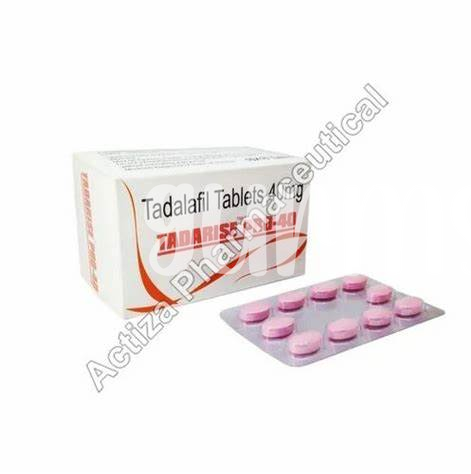
At the pharmacy he paused, imagining nights of spontaneity versus steady routines; tadarise felt like a choice between flexibility and consistency today.
Taking it on-demand preserves spontaneity, reduces exposure and cost, and limits side effects — ideal for infrequent use, but timing matters too.
Daily dosing creates steady blood levels, supporting predictable performance and confidence for frequent activity, though it may sometimes increase side effects and interactions.
Start low, track responses, adjust gradually, and consult a clinician about risks, especially with heart conditions or nitrates, to find your sweet spot.
Timing, Food, and Alcohol: Optimizing Effectiveness
Imagine planning a night and timing your dose like setting the perfect cue; tadarise generally reaches peak concentration about one to two hours after ingestion, so take it well before intimacy. A light meal won’t interfere much, but heavy, fatty foods can delay onset and blunt the initial effect—so opt for something lighter if you need faster action.
Alcohol can loosen inhibitions, but drinking heavily while using tadarise raises the chance of dizziness, flushing, or fainting and may reduce reliability. Stick to modest consumption and test how you respond the first few times. Keep a simple log of timing, meals, and alcohol to learn what produces the most reliable response for you and your partner.
Managing Side Effects and Knowing When to Adjust

Picture trying tadarise for the first time: mild headache or flushing may surface, and tracking symptoms nightly helps separate drug effects from everyday stress. Start at the lowest recommended dose, pace increases slowly, and pause if symptoms persist beyond a few doses. Communicate with your clinician about severity or new symptoms.
If you experience chest pain, sudden vision changes, or an erection lasting over four hours, seek emergency care immediately. Otherwise, a symptom log guides dose reduction or alternative therapies, ensuring adjustments remain safe and tailored to your medical history.
Interactions, Contraindications, and Who Should Avoid Tadarise
I learned quickly that tadarise isn’t one-size-fits-all; medications and heart conditions change the equation. Tell your clinician about nitrates, alpha-blockers, or recent strokes — these raise real risks and demand caution.
Those with low blood pressure, severe liver or kidney problems, or unstable heart disease should avoid it unless supervised. Discuss all prescriptions and herbal supplements before trying a dose.
| Drug | Risk |
|---|---|
| Nitrates | Severe drop in blood pressure |
| Alpha-blockers | Enhanced hypotension risk |
| Severe liver/kidney disease | Altered drug metabolism |
| Recent stroke | Higher complication risk |
| Herbal supplements | Possible unknown interactions |
| Low BP | Avoid unsupervised |
Tracking Results: How to Find Your Sweet Spot
Start a simple log: date, dose, timing, food, and effect. Record erection firmness, duration, onset time, and side effects. A quick scale (1–5) for satisfaction helps compare nights.
Try single-variable changes, adjust dose or timing, not both, and observe for at least three uses. Patterns emerge: faster onset with empty stomach, or stronger effect at a slightly higher dose.
Include context: mood, partner presence, alcohol, and other meds. These influence results and prevent misattribution of success or failure to the drug alone.
Review the log monthly with your clinician and be ready to tweak. The goal is consistent performance with minimal side effects; that’s your sweet spot. Share trends; ask about dose-reduction strategies and alternatives.