
 Starting Strattera: Dosage, Titration, and Expectations
Understanding Strattera: How It Works and Benefits
Starting a new medication can feel uncertain, but Strattera often offers a calm, steady option. It works by increasing norepinephrine availability in the brain, which helps improve attention, reduce impulsivity, and support executive function without the stimulant effects some people try to avoid.
Benefits may include better focus, fewer distractions, and improved planning, though onset is gradual and monitoring matters.
| Benefit | Effect |
|---|---|
| Focus | Improves concentration |
| Impulsivity | Reduces urgency |
Discussing goals with your clinician helps tailor dose and expectations, and following a steady schedule supports consistent benefits while reducing side effect risk. Regular check-ins help fine-tune dose, track benefits and side effects, and decide whether continued use fits personal goals over several weeks to months appropriately.
Choosing the Right Starting Dose for You
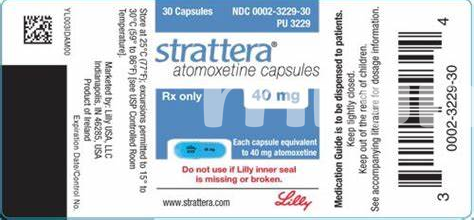
When beginning strattera, clinicians tailor the initial dose to several personal factors: age, body weight, liver health, and prior response to psychiatric medications and sleep patterns are considered.
Children often start with mg/kg calculation and very low amounts, while many adults begin on a fixed low dose to assess tolerance before increasing and options for slow-release capsules.
Other medical issues, drug interactions, and sensitivity to side effects shape that choice; accurate disclosure of supplements, OTCs, and heart or blood pressure problems matters. Liver tests may be recommended.
A gradual, monitored titration helps find the lowest effective dose — reducing side effects while tracking improvement with your clinician and adjusting as needed. Keep a daily symptom log.
Smart Titration: Stepwise Schedules and Alternatives
When I first began strattera, my clinician emphasized starting low and moving slowly; that approach lets you separate early side effects from benefits. A stepwise schedule—incremental increases at set intervals—reduces shocks to sleep, appetite, and mood while giving clear checkpoints to judge response.
Typical plans space changes every one to three weeks, with careful monitoring and flexibility. If intolerable effects appear, pausing, reverting to the previous dose, or trying slower steps are valid alternatives. For people sensitive to daytime stimulation, splitting doses or evening administration may improve tolerability. When necessary, alternative strategies like very gradual micro-titration or adjunctive behavioral supports can be considered. Ask about alternatives too.
Keep a symptom-and-side-effect diary and communicate regularly so adjustments reflect real experience, not assumptions. Collaboration with your clinician ensures titration balances efficacy and comfort, helping strattera reach its therapeutic potential with fewer surprises.
Common Side Effects and Practical Management Strategies

Starting strattera can feel like stepping into unfamiliar territory; early weeks often bring dry mouth, nausea, sleep changes, or mild dizziness. Recognizing these as common, usually temporary reactions helps patients stay engaged rather than alarmed.
Simple measures reduce discomfort: sip water for dry mouth, take with food to ease nausea, keep a sleep routine, and rise slowly to prevent lightheadedness. Dose adjustments or slower titration often resolve persistent symptoms.
Watch for more serious signs—heart rate changes, severe mood swings, or suicidal thoughts—and seek immediate medical attention if they occur. Regular check-ins let clinicians weigh risks, consider labs, and modify treatment safely.
Keeping a symptom and side-effect diary helps spot patterns and informs shared decisions. Communicate openly about benefits versus burdens; small lifestyle tweaks plus clinician collaboration often make strattera tolerable and effective, usually within a few weeks for many patients.
What to Expect: Timeline for Symptom Improvement
Starting strattera can feel like setting out on a measured journey: some patients notice clearer focus and calmer thinking after the first two to four weeks, while others detect the shift only after several weeks of steady dosing. Early changes are often subtle — improved organization, fewer impulsive comments — and can encourage persistence as the medication accumulates.
Meaningful symptom reduction, such as better attention span and reduced distractibility, commonly emerges by six to twelve weeks. Clinicians may adjust dose gradually during this window; patience and regular check-ins matter. If benefits are minimal after three months at an optimized dose, discussing alternatives or adjunctive strategies is reasonable to find the best long-term plan. Track changes and celebrate.
| Time | Typical Changes |
|---|---|
| 2–4 weeks | Subtle focus improvement; initial side effects |
| 6–12 weeks | Noticeable symptom reduction |
| 12+ weeks | Assess response; consider dose changes or alternatives |
Monitoring Adherence and Communicating with Your Clinician
Keep a simple daily log of doses, symptoms, sleep, appetite and side effects; this creates a clear record for you, your care team, and highlights patterns worth discussing in appointments.
Bring the log to appointments, be honest about missed doses and lifestyle changes; ask specific questions about side effects and request a clear action plan for any needed dose adjustments.
Use reminders, apps, or pill organizers to support consistency; celebrate small adherence wins, report worrying symptoms promptly, and contact your clinician urgently for sudden mood or heart-related changes or fainting.