
 Comparing Rybelsus Vs Ozempic: Key Differences
Mechanisms of Action: Oral Compared to Injectable
Imagine two routes to the same destination: one delivered by daily pill and the other by weekly injection. Rybelsus is an oral formulation of a GLP-1 receptor agonist that uses semaglutide molecules protected by absorption enhancers to survive the stomach and enter circulation, acting on pancreatic beta cells and slowing gastric emptying. Ozempic is the injectable semaglutide given subcutaneously, bypassing the gut and providing steadier systemic exposure. Both amplify insulin response and reduce glucagon, but their delivery shapes onset, peaks and convenience.
Choice depends on preference, tolerance, and clinical needs; the table below highlights practical contrasts.
| Oral | Injectable |
|---|---|
| Absorption variable | Consistent absorption |
| Daily dosing | Weekly dosing |
| Higher GI impact | Lower GI impact |
| Convenient but slower onset | More predictable effect |
| Example: Rybelsus | Example: Ozempic |
| Ideal for: oral preference | Ideal for: those needing steady exposure |
Efficacy and Blood Sugar Control Differences Analyzed

Both medications belong to the GLP-1 class and reduce blood sugar by boosting insulin and slowing gastric emptying. Patients see improved fasting and postprandial glucose.
Injectable semaglutide (Ozempic) typically yields larger A1c reductions in trials, while oral rybelsus still delivers meaningful decreases reflecting formulation and exposure.
Absorption, timing with meals, and adherence strongly influence real-world glycemic control. Oral dosing requires fasting before intake, affecting convenience and consistency.
For intensive A1c lowering, injectables often lead. For patients prioritizing oral therapy, rybelsus is a valid option when balanced against goals and tolerability.
Safety Profiles, Side Effects and Tolerability Compared
Both drugs share GLP-1 class effects: nausea, vomiting and diarrhea are common early and often improve with time. Rybelsus’s oral route does not eliminate gastrointestinal symptoms and may cause dyspepsia or stomatitis.
Injectable semaglutide adds injection-site reactions and can produce more pronounced weight loss, which may accentuate GI intolerance. Rare but serious risks include pancreatitis and gallbladder disease.
Preclinical rodent studies linked GLP-1 agonists to C‑cell thyroid tumors; human relevance is unclear, so these agents are contraindicated in patients with medullary thyroid carcinoma or MEN2. Hypoglycemia risk rises when combined with insulin or sulfonylureas.
Tolerability improves with gradual titration; clinicians should carefully individualize choice by risks, comorbidities and patient preference for oral rybelsus versus injectables.
Weight Loss Outcomes: Clinical Trial Insights Summarized
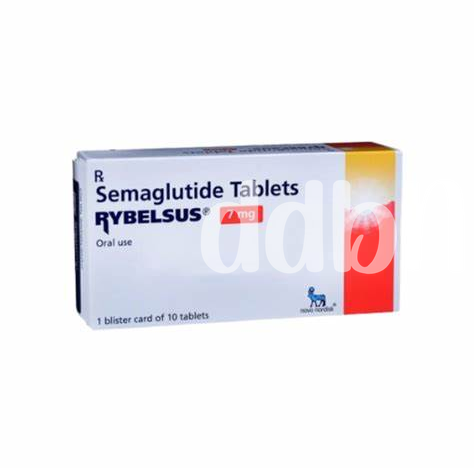
Clinical trials have consistently shown that semaglutide-based therapies produce meaningful weight loss, but the magnitude depends on formulation and dose. In diabetes trials, injectable semaglutide (Ozempic) at typical doses produced more pronounced weight reductions than oral semaglutide (rybelsus), with patients on the injection losing several percent more body weight on average. Higher-dose semaglutide approved for obesity yields the largest effects. Trial differences in patient populations and background therapies also influence outcomes.
Head-to-head data are limited, so clinicians interpret results across separate studies: oral formulations give modest but clinically relevant weight loss and may suit patients prioritizing convenience, while injectable versions—especially at obesity dosages—deliver greater average weight loss in controlled trials. Individual response and tolerability vary, so shared decision-making and realistic expectations are essential. Ongoing studies aim to clarify long-term weight trajectories and comparative durability between formulations in real-world settings globally.
Dosing, Administration Convenience, Cost and Accessibility
Choosing between injectable GLP‑1 options and oral alternatives often comes down to daily rhythms and lifestyle. For many, rybelsus pill form simplifies mornings and avoids needles, but adherence needs fasting rules and timing. Insurance coverage, prior authorization hurdles, and manufacturer coupons dramatically shape out‑of‑pocket costs, so patients commonly navigate formularies with their clinicians to find sustainable plans.
Injectables may offer less frequent dosing and stronger clinical effects, but they require storage considerations and training for administration. Access varies: some clinics provide injections during visits while others rely on pharmacy supply. Discussing expectations, travel plans, and budget with a clinician helps match therapeutic benefits to real‑world practicalities and ensures long‑term adherence and reduces treatment interruptions overall.
| Aspect | Note |
|---|---|
| Form | Oral pill vs injection |
| Typical cost | Varies by insurance and coupons |
Who Should Consider Which Option: Practical Guidance
Patients preferring pills or fearing needles may lean toward Rybelsus, offering oral convenience but requiring fasting and specific morning dosing instructions for use.
Ozempic, administered as a weekly injection, often delivers stronger glucose and weight benefits, suiting patients needing greater HbA1c reduction or weight loss goals.
Those with severe GI sensitivity or prior pancreatitis should discuss risks; both options carry nausea risk, and thyroid cancer is a contraindication.
Cost, insurance coverage, lifestyle and willingness for injections often determine choice; consult your clinician to tailor therapy based on goals and comorbidities.