
 Priligy Myths Debunked: Facts Backed by Science
Separating Hype from Evidence: How Priligy Actually Works
Promises of an instant cure can cloud judgement, but understanding the drug’s action clears the fog. Priligy is designed as an on‑demand treatment for premature ejaculation, developed specifically to act quickly and wear off, not to be a daily antidepressant.
Mechanistically, it’s a short‑acting selective serotonin reuptake inhibitor (SSRI). By boosting serotonin signaling in brain regions that regulate ejaculation, it lengthens latency. Peak effects appear around one to three hours after dosing, which explains the on‑demand prescription strategy supported by clinical data.
Claims of addiction or permanent impotence are overblown; studies show low abuse potential and reversible side effects when used as directed. Still, informed discussion with a physician ensures benefits outweigh risks for most.
| Feature | Evidence |
|---|---|
| On‑demand dosing | Pharmacokinetics and RCTs support 1–3 hour peak effect |
| Addiction risk | Low; trials report minimal dependence or misuse |
Common Misconceptions about Priligy Versus Scientific Reality
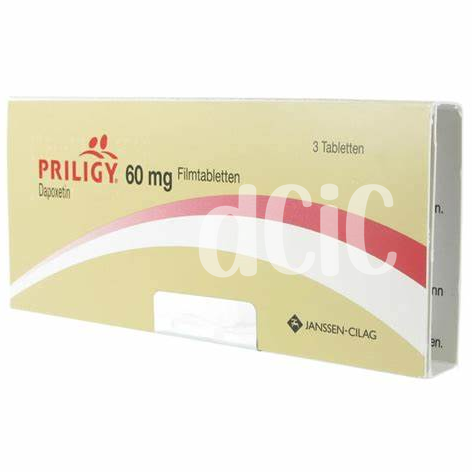
Many men hear exaggerated stories about quick fixes, but reality is subtler: priligy is a purpose-built medication for premature ejaculation that modifies serotonin signalling briefly. Understanding this nuance separates rumor from reproducible science and evidence
A common myth claims priligy acts instantly as a sedative; scientifically, it transiently blocks serotonin reuptake to increase inhibitory signalling in ejaculatory pathways. Effects occur shortly after dosing, but individual response and timing vary widely
Unlike recreational drugs, priligy has no evidence of dependence in trials; withdrawal reports are uncommon. That said, psychological reliance can occur, so clinicians monitor expectations and treatment duration and advise stepwise discontinuation, carefully when appropriate
Many fear severe or permanent effects, yet trials show most adverse events are mild, e.g., nausea, headache, dizziness, and resolve quickly. Medical review identifies those with contraindications to avoid harm and ensure safe prescribing choices
Does Priligy Cause Addiction? Evidence from Studies
Concerns about dependence are common, yet trials and reviews examine priligy pharmacology and outcomes. They report minimal misuse signals under clinical supervision.
Most studies find no evidence of craving, compulsive use, or withdrawal when the drug is taken as prescribed. Behavioral monitoring in trials supports these findings.
Anecdotes can mislead: isolated misuse or concurrent substance issues reflect patient context, not inherent addiction potential. Scientific assessments separate correlation from causation.
Doctors advise routine monitoring and brief counseling if worries arise, prioritizing evidence-based risk evaluation. Fear alone shouldn't preclude properly supervised therapy.
Side Effects Demystified: Frequency, Severity, and Management

Priligy commonly causes mild, short-lived symptoms such as nausea, headache, dizziness and diarrhea. These occur in clinical trials at varying rates—nausea and headache being the most frequent—and typically resolve within hours as the drug is metabolized. Incidence tends to increase with higher doses and may be influenced by individual metabolism.
More serious events like syncope, significant blood pressure changes or serotonin syndrome are rare but possible, especially when combined with SSRIs, MAO inhibitors or certain medications. People with cardiac disease, low blood pressure or on interacting drugs should avoid or use caution under medical supervision.
Management focuses on dose adjustment, taking the tablet with water, avoiding alcohol and reporting persistent or severe symptoms to a clinician; temporarily stopping the drug resolves most problems. Clear communication with a provider ensures benefits outweigh risks. Patients should avoid driving if affected by dizziness.
Efficacy Compared: Clinical Trials Versus Everyday Use
Clinical trials measure priligy in ideal conditions, with strict dosing, selected participants, and objective endpoints. Patients monitored closely, generating clean efficacy data.
In daily life variability appears: missed doses, interactions, personal expectations, and psychological factors shape outcomes. Real world effectiveness often seems lower even when pharmacology is sound.
Comparative studies show smaller effect sizes outside trials but also highlight important benefits for many men. Counseling and realistic expectations amplify everyday success.
Bridging gaps needs shared decision making, adherence support, follow up.
| Setting | Effect |
|---|---|
| Trial | High |
| Real-world | Moderate |
| Adherence | Variable |
Who Should Avoid Priligy: Medical Contraindications Explained
Imagine weighing a single pill against a complex medical history; some people clearly shouldn’t take dapoxetine. Anyone currently using monoamine oxidase inhibitors or certain antipsychotics risks dangerous interactions, and those with known heart rhythm disorders, history of syncope, or prolonged QT interval are typically excluded from treatment.
Severe hepatic impairment, significant renal dysfunction, or concurrent use of strong CYP3A4 inhibitors often make dapoxetine unsuitable; combining it with other serotonin‑modulating drugs raises the risk of serotonin syndrome. Pregnant or breastfeeding individuals and those with hypersensitivity to the drug should avoid it. A clinician review of cardiac history, medications, and liver and kidney tests prevents harm and ensures the choice is guided by evidence rather than hearsay.