
 Prednisolone Tapering: Safe Ways to Stop
Why Tapering Matters: Risks of Abrupt Stopping
I remember a patient who rushed to stop prednisolone after feeling better, only to face fever, joint pain and crushing fatigue within days. That sudden end can trigger withdrawal and unmask suppressed adrenal function, making recovery chaotic.
Tapering matters because the body adjusts to external steroids; corticotropin-releasing pathways downregulate and the adrenal cortex shrinks when prednisolone floods circulation. A gradual dose reduction lets hormonal feedback recover, reducing risk of adrenal insufficiency and severe relapse.
Work with your clinician to plan timing, pace and symptom checks; sudden discontinuation can be dangerous even after short courses in some people. Understand signs such as dizziness, nausea, low blood pressure and severe fatigue that demand prompt attention. Seek help.
| Risk | Common Signs |
|---|---|
| Adrenal insufficiency | Dizziness, nausea, low blood pressure, fatigue |
| Disease flare | Return of inflammation, pain, fever |
Creating a Personalized Taper Plan with Your Clinician

Your clinician should start by reviewing why you’re taking prednisolone, current dose and duration, and any other health issues. Together you’ll set goals—reduce side effects, prevent relapse—and agree on realistic timelines tailored to your illness and lifestyle.
A clinician will consider labs, adrenal function testing if needed, and interactions with other medications. Small dose changes, spacing adjustments, or temporary plateaus can be used. Ask about warning signs and how to adjust if symptoms recur.
Write the plan down and carry a copy. Coordinate timing with upcoming vaccines, surgeries, travel and stressors. Regular follow-up lets the clinician speed up or slow tapering safely; your feedback about energy, sleep and mood is essential to guide daily decisions.
Common Taper Schedules: Practical Day by Day Examples
My clinician drew a schedule on paper and explained gradual cuts protect the body. For example, when exiting high doses you may reduce from twenty milligrams to fifteen for a week, then proceed more slowly.
Longer prednisolone courses often need a slower approach: switch to alternate-day dosing or cut by small milligram steps every one to two weeks. This minimizes withdrawal while allowing clinicians to assess symptoms and cortisol recovery.
A practical seven-day plan could read: days one through three at ten milligrams, days four through six at seven point five, then five milligrams on day seven. Adjustments depend on tolerance and ongoing disease activity.
Never hesitate to pause reductions if fatigue, dizziness, or pain flare. Your team may advise temporary higher doses during illness or surgery while testing adrenal function. Regular follow-up ensures safe completion and responsive timely adjustments.
Recognizing and Managing Withdrawal and Adrenal Insufficiency
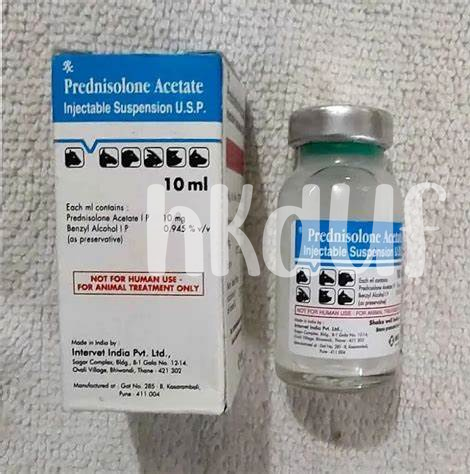
When Maria finally reduced her prednisolone, a wave of fatigue and joint pain surprised her—what felt like a flare was partly withdrawal. Symptoms often emerge gradually: weakness, nausea, dizziness, muscle aches and low mood, and may mimic disease relapse. Recognizing whether symptoms are steroid withdrawal or adrenal insufficiency is vital.
Adrenal suppression can cause orthostatic dizziness, profound fatigue, low blood pressure, abdominal pain and sometimes fainting; it tends to appear within days to weeks after stopping systemic steroids. Diagnosis relies on clinical suspicion and tests such as morning serum cortisol or ACTH stimulation. Management may require temporarily restarting steroids at physiologic doses (e.g., hydrocortisone) and a slower taper under medical supervision.
Contact your clinician promptly, never stop abruptly, and carry a steroid card. For severe symptoms seek emergency care for IV/IM steroids and fluids; follow planned tapering and regular monitoring.
Adjunct Strategies: Diet, Sleep, and Stress Reduction
When tapering prednisolone, food becomes practical medicine: choose calcium and vitamin D rich options, lean protein to support muscle, and reduce salt to limit swelling. Small, consistent meals help blood sugar and mood, while limiting simple carbs can ease fatigue and cravings during steroid withdrawal.
Sleep routines restore rhythm; aim for regular bedtimes, cool dark rooms, and wind-down rituals that lower nighttime cortisol. Gentle daytime movement and brief relaxation exercises reduce anxiety without triggering inflammation. Track patterns and share them with your clinician to adjust tapering if sleep disruption persists.
Use stress reduction daily: brief breathing, connect socially, and pace activity. Simple habits often ease symptoms quickly.
| Tip | Action |
|---|---|
| Diet | Calcium, protein, low salt |
| Stress | Breathing, short walks, social support |
When to Seek Help: Red Flags and Emergencies
Late one night I felt an overwhelming weakness and lightheadedness that made me call my clinician; these dramatic signs—severe dizziness, fainting, vomiting, high fever, chest pain, sudden shortness of breath, or profound confusion—are red flags during steroid tapering and require immediate medical attention. If you experience worsening muscle pain, uncontrollable nausea, or dehydration, seek urgent assessment.
Milder symptoms like fatigue, low mood, or return of original disease symptoms deserve prompt contact with your care team but may not be emergencies; still, document timing and intensity so clinicians can adjust tapering. In any doubt—especially after fainting or severe abdominal pain—go to the nearest emergency department or call emergency services immediately for swift medical treatment.