
 Off-label Uses of Periactin: Surprising Benefits
Unexpected Appetite and Weight Gain with Periactin
After a few nights on the medication, a teenager reported ravenous cravings and steady scale gains, surprising family and clinicians. What began as a sleepy antihistamine turned into a reliable appetite stimulant, restoring energy in undernourished patients but also prompting careful follow‑up to avoid unhealthy weight accrual.
Pharmacologically, blockade of histamine H1 and serotonin receptors increases hunger signaling and carbohydrate preference; clinicians leverage this off‑label effect for cachexia and failure to thrive. Start low, monitor sedation and anticholinergic effects, and reassess regularly to balance benefit with metabolic risk and outcomes.
| Use | Notes |
|---|---|
| Appetite stimulation | Monitor weight and sedation |
Migraine Prevention: Cyproheptadine's Role in Pediatric Headaches
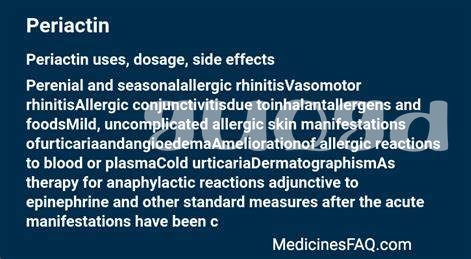
A worried parent remembers sleepless nights watching a child clutch their head; a pediatrician suggests a surprising option: periactin, an older antihistamine repurposed to reduce headache frequency.
Its benefit seems to come from serotonin antagonism and anticholinergic effects, dampening vasodilation and neuronal hyperexcitability linked to migraine pathophysiology in children. It also blocks certain histamine receptors, which may indirectly modulate pain pathways.
Small studies and clinical experience support use for cyclical or frequent pediatric headaches when standard therapies fail; response is variable and onset may take weeks.
Careful dosing, monitoring for sedation and appetite changes, and collaboration with specialists help balance benefits and risks before continuing long term. Regular follow-up ensures growth and mood remain unaffected.
Reversing Serotonin Syndrome: Antagonism Mechanisms Explained
In emergency settings, a vivid clinical picture—hyperthermia, clonus, restlessness—demands quick, mechanistic thinking. Antagonists that block serotonin receptors can cool the storm by interrupting overactive 5-HT signaling, and the narrative often shifts from chaos to measurable physiologic calm.
Drugs like periactin act as inverse agonists/antagonists at several serotonin receptor subtypes, notably 5-HT2, reducing excitatory neurotransmission. This receptor-level antagonism decreases downstream sympathetic hyperactivity and neuromuscular excitation, helping resolve both autonomic instability and clonus within hours when combined with supportive care.
Understanding the pharmacology reframes treatment: targeted antagonism is not just symptom masking but a reversal of pathogenic serotonergic excess. Clinicians monitor temperature, reflexes and mental status while using medications, cooling and benzodiazepines; timely receptor blockade shortens ICU stays and reduces complications, highlighting why pharmacologic nuance matters when translating receptor science into life-saving bedside decisions and preserving neurologic outcomes in severe cases.
Easing Chronic Itch: Antihistamine Benefits Beyond Allergies
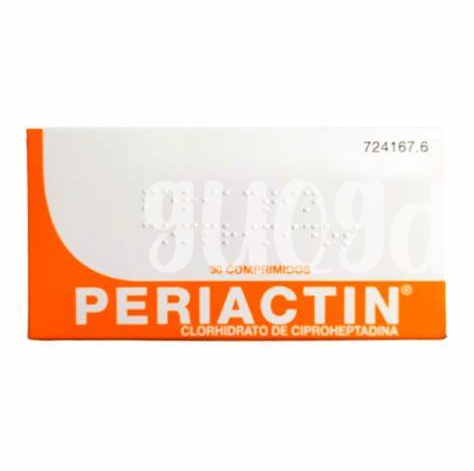
When a sleepless patient described relentless itching that antihistamines didn’t touch, her clinician reached for periactin. Within days the aggression of nocturnal scratching eased, and sleep returned. That anecdote reflects broader experience: certain antihistamines can quell chronic pruritus even when allergy tests are negative.
Cyproheptadine’s H1 blockade reduces histamine-driven itch, while its antagonism at serotonin receptors may interrupt central itch pathways. Small trials and case series report benefit in cholestatic pruritus, uremic itch, and neuropathic presentations. Doses differ from allergic use; therapeutic response can appear within days but requires tailored titration.
Clinicians weigh benefits against sedation, appetite changes, and anticholinergic effects, monitoring liver function and concomitant medications. While not first-line for all pruritus, periactin remains a valuable, underrecognized option when conventional therapies fail — offering relief to patients who’ve exhausted other paths. Discuss risks and benefits collaboratively with each patient.
Calming Functional Gastrointestinal Symptoms through Serotonin Blockade
A harried parent described a child whose belly pain and bloating resisted diet changes and reassurance. When conventional approaches faltered, a low-dose serotonin antagonist brought unexpected relief: appetite steadied and cramping eased, suggesting a modulation of exaggerated gut signaling.
Drugs like periactin block serotonin receptors in the gut, damping hypersensitive neural circuits and slowing inappropriate motility. Clinically this can reduce bloating, nociceptive signaling and postprandial discomfort. Small studies and case series support benefit in selected functional dyspepsia and irritable bowel syndrome patients.
| Symptom | Effect |
|---|---|
| Bloating | Reduced distension and discomfort |
| Pain | Lower visceral sensitivity |
| Motility | Slowed inappropriate contractions |
| Appetite | Increased hunger |
| Gas | Reduced |
Careful trialing, conservative dosing and monitoring for anticholinergic effects are essential; benefits must be weighed against sedation and weight changes. When used thoughtfully, serotonin blockade can offer a pragmatic option that restores daily function and reduces symptom-related anxiety.
Other Off-label Uses: Movement Disorders and Sleep Disturbances
Clinicians sometimes turn to cyproheptadine for medication-induced movement problems such as akathisia or drug-related dystonia. Its anticholinergic and antihistaminic actions can blunt abnormal motor restlessness in selected cases.
Small studies and case reports describe benefit, though evidence is limited; dosing and side effects require careful consideration. Sedation and antimuscarinic effects may limit tolerability.
Because cyproheptadine also antagonizes serotonin, it can promote sleep continuity and reduce nighttime arousals in some patients, providing a dual therapeutic angle when conventional therapies fail. Regular monitoring and specialist input are strongly recommended for safety reasons.