
 Ozempic Myths Debunked: Separating Fact from Fiction
How Ozempic Actually Works: Mechanism Explained
Imagine a thermostat for appetite and blood sugar: Ozempic nudges the brain and pancreas toward balance. Its active ingredient mimics GLP-1, a gut hormone released after meals, slowing gastric emptying, enhancing insulin release when glucose is high, and suppressing glucagon. Patients often notice reduced hunger and steadier post-meal sugar spikes as a result.
Clinically, that translates to lower A1C and gradual weight loss, but effects depend on dose and adherence. The medication’s design targets glucose-dependent insulin secretion, reducing hypoglycemia risk compared with older drugs. Still, individual responses vary: genetics, diet, and timing matter. Discuss mechanism and realistic goals with a clinician to align expectations and tailor monitoring. Plan follow-up labs and support for lifestyle change.
| Action | Primary Effect |
|---|---|
| Mimics GLP-1 | Boosts insulin when glucose is high |
| Slows gastric emptying | Reduces appetite |
| Suppresses glucagon | Limits excess glucose release |
Is Ozempic Just a Weight Loss Shortcut?
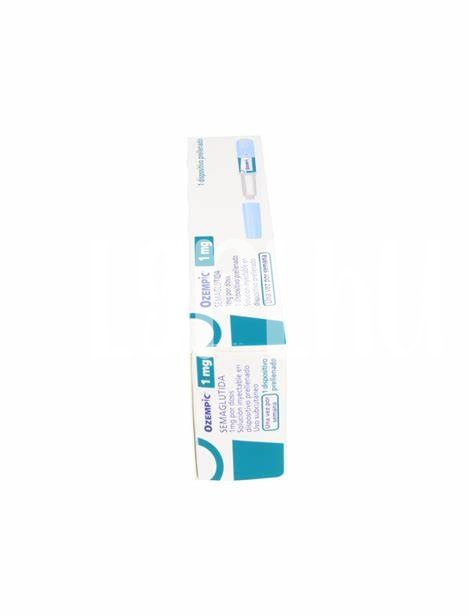
A quick fix is an appealing story: someone starts a drug and the scale drops. In reality, ozempic is a prescription medication designed to improve blood sugar and appetite control by mimicking GLP-1, not a magic wand. Weight loss often follows because it reduces hunger and slows gastric emptying, but results depend on dosage, lifestyle, and medical supervision. It complements — it rarely replaces — healthy habits.
Think of it as a tool: when prescribed, ozempic can jumpstart changes but stopping often reverses weight without continued effort. Long-term benefit comes from combining medication with nutrition education, exercise, and behavioral support. Side effects and cost influence suitability, so clinicians weigh risks and goals before starting therapy. For many, sustainable weight control requires ongoing strategies rather than a one-time injection, and viewing the drug as an adjunct leads to healthier, realistic expectations.
Safety Concerns: Side Effects Versus Real Risks
Starting a new medication can feel like stepping into unknown territory, and ozempic comes with headlines that spark worry. Many people report mild, early symptoms that mimic a stomach bug, which often fade as the body adjusts.
Common side effects — nausea, diarrhea, and decreased appetite — are typically dose-related and temporary. Practical strategies like smaller meals, hydration, and dose titration often mitigate these issues within weeks.
Serious adverse events are rare but warrant attention: acute pancreatitis, gallbladder problems, and a debated risk of thyroid C-cell tumors observed in animals. Long-term cardiovascular data are reassuring for many patients, but history matters.
Conversations with clinicians should personalize risk assessment, considering kidney function, family cancer history, and pregnancy plans. With monitoring and realistic expectations, the benefits often outweigh risks, making informed use safer and more effective. Stay vigilant, keep records, and ask questions promptly.
Addiction Myth: Can You Become Dependent on Ozempic

I remember a patient asking if stopping treatment would feel like withdrawal; their anxiety framed the broader question many quietly fear today.
Clinically, ozempic is a GLP‑1 receptor agonist that adjusts appetite signals and insulin, not a substance causing craving-driven chemical dependence or classic addiction.
Some experience gastrointestinal discomfort and psychological reliance on routine benefits, but physiological withdrawal symptoms seen with opioids are absent in most patients.
Discussing goals with clinicians helps separate habit from harm; stopping treatment should be supervised to manage blood sugar and emotional adjustment over time.
Who Should Use It: Appropriate Patient Candidates
I met a patient who assumed a single injection would solve everything. In reality, deciding on ozempic is clinical — doctors assess type 2 diabetes control, cardiovascular history, and obesity-related complications before prescribing.
Suitable candidates are adults with inadequate glycemic control despite lifestyle changes and metformin, or those with elevated cardiovascular risk where GLP-1 benefit is proven. Pregnancy, type 1 diabetes, and severe pancreatitis exclude use.
Shared decision making matters: discuss goals, side effect profiles, costs, and monitoring. Clinicians may try alternative therapies first; patients with obesity-related comorbidities often gain the most benefit when combined with lifestyle support.
| Candidate | Reason |
|---|---|
| Type 2 diabetes | Improve glucose control |
| Obesity with comorbidities | Support weight loss |
| Pregnancy | Avoid use |
Practical Tips: Managing Expectations and Long-term Use
Start with realistic goals: view Ozempic as a tool, not a magic fix. Track weight, appetite, and mood to notice gradual changes.
Stay in regular contact with your clinician about dose adjustments, side effects, and interactions; prompt communication prevents surprises.
Build sustainable habits: balanced meals, consistent physical activity, and sleep hygiene amplify benefits and reduce relapse risk over time.
Plan for long-term care — discuss maintenance options, monitoring schedules, and behavioral support; stopping medication often requires a transition plan. Address insurance, costs, and access early to avoid unexpected interruptions in treatment.