
 Is Lipitor Safe Long Term? What Research Says
Understanding Statins: How They Work over Time
At first, statins quietly block HMG‑CoA reductase in the liver, slowing cholesterol synthesis and prompting cells to pull more LDL from the bloodstream. Within weeks blood LDL falls substantially, but what you don’t see is equally important: reduced inflammation inside artery walls, fewer unstable plaques, and improved endothelial function. That early biochemical shift sets the stage for later clinical benefits.
Over years continued LDL reduction and lowered arterial inflammation translate into fewer heart attacks and strokes, with many trials showing progressive benefit after the first year. Statins also stabilize existing plaques, making them less likely to rupture; benefits accumulate with consistent use. The body adapts metabolically but rarely reverses LDL control if therapy continues. For patients this means persistence and periodic monitoring yield the best long‑term outcomes: consistent dosing, lifestyle measures, and clinician collaboration to balance effectiveness with side‑effect surveillance.
| Effect | Typical timeframe |
|---|---|
| LDL lowering | Weeks |
| Plaque stabilization & reduced events | Months–Years |
What Large Studies Reveal about Extended Outcomes
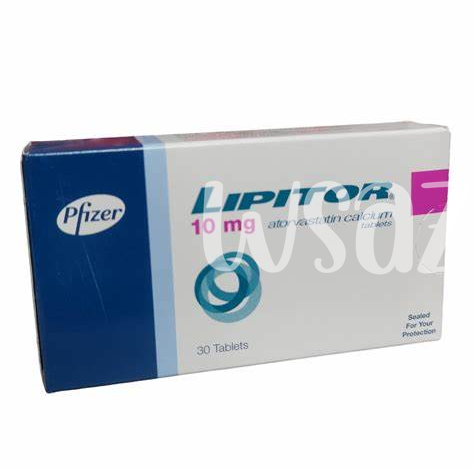
Large randomized trials and long-term registries show that cholesterol lowering with lipitor lowers heart attacks and strokes in people at elevated cardiovascular risk. Several studies with five to ten years of follow-up demonstrate sustained LDL reduction and continued event reduction.
Meta-analyses combining trials report small increases in some adverse events but no broad safety alarm; absolute event reductions commonly outweigh those risks in patients with prior disease or high baseline risk. Real-world observational studies support effectiveness but have confounding that randomized trials avoid.
Current guidelines endorse continued therapy for many, emphasizing shared decision-making, periodic symptom review, and routine lab monitoring to detect rare complications early while maximizing long-term cardiovascular benefits of drugs such as lipitor.
Common Side Effects: Frequency, Severity, and Recovery
Many people taking lipitor notice mild symptoms — muscle aches, digestive upset, fatigue or headaches. These effects occur in a minority of users and are usually dose-related; most report low-intensity complaints that develop gradually rather than suddenly. Awareness helps separate everyday aches from drug-related changes.
Serious reactions are uncommon; severe muscle injury or marked liver enzyme rises are rare but warrant immediate evaluation. Most side effects typically improve within days to weeks after lowering dose or stopping therapy, and routine monitoring with your clinician speeds recovery and ensures benefits outweigh risks.
Rare but Serious Risks: Muscle, Liver, Diabetes
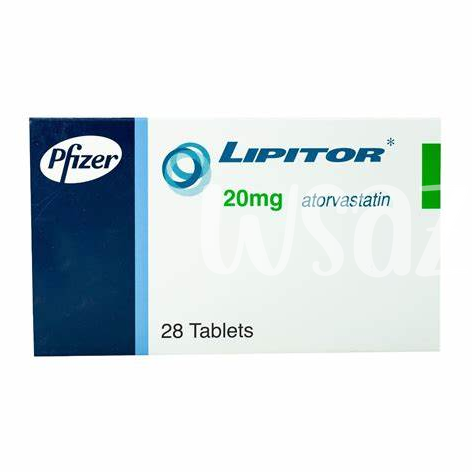
Most people tolerate lipitor without trouble, but a small share experience muscle problems ranging from mild aches to rare rhabdomyolysis. Symptoms often include unexplained weakness, persistent cramps, or dark urine; prompt reporting to a clinician allows testing (CK levels) and rapid medication adjustment. Risk increases with higher doses, interacting drugs, or kidney disease.
Liver enzyme elevations occur infrequently; routine baseline and regular periodic transaminase checks catch significant issues early. True severe liver injury is uncommon, but unexplained jaundice, abdominal pain, or persistent nausea should trigger immediate evaluation and stopping therapy until causes are clarified.
Statins slightly raise diabetes risk in susceptible adults, largely causing modest glucose increases rather than frank disease; lifestyle measures and glucose monitoring mitigate this. For most at-risk patients, cardiovascular benefits outweigh these rare harms, but individualized discussion and vigilant follow-up keep therapy both safe and effective.
Who Benefits Most Versus Who Should Caution
A clear-eyed look shows who gains most from long-term Lipitor: people with prior heart disease or high calculated cardiovascular risk. The drug often prevents heart attacks and strokes, offering measurable benefit.
By contrast, those with muscle disorders, active liver disease, or pregnancy should approach statins more cautiously and discuss alternatives. Age, kidney function, and interacting medications also shape individual risk.
Shared decision-making pairs evidence with preferences.
| Typical Benefit | When to Caution |
|---|---|
| Secondary prevention | Very high risk |
| Primary prevention | Multiple risk factors |
| Muscle or liver symptoms | Pregnancy |
| Talk with | your clinician |
Practical Monitoring, Dosage Adjustments, and Safety Tips
When you first begin treatment, think of follow-up as a partnership: blood lipid checks and baseline liver tests establish a reference point, and regular appointments help spot trends before symptoms appear or adjustments become necessary.
Dose changes depend on response and tolerance; small reductions may ease muscle aches while preserving benefit, whereas increases target stubborn cholesterol. Always discuss risks, expected timelines, and alternative agents rather than altering dose without guidance.
Be alert for persistent muscle pain, unexplained fatigue, jaundice, or dark urine; these warrant prompt evaluation. Review all medications and supplements with your clinician because interactions, including antibiotics and antifungals, often can raise statin levels.
Lifestyle measures amplify benefits: exercise, diet, weight control, and smoking cessation reduce cardiovascular risk and may allow lower doses. Keep open communication, document symptoms, and schedule periodic reviews to maintain long-term safety and effectiveness overall.