
 Artvigil's Cognitive Effects: What Research Says
How Artvigil Works in the Brain
A quiet clarity arrives when some users take this wakefulness-promoting compound; tasks feel smoother and distractions recede.
It modulates monoamine and histamine systems indirectly, boosting cortical signaling without the jitter of classic stimulants.
Research suggests enhanced sustained attention and processing speed for many, though individual responses vary with baseline sleep and genetics.
Mechanism summaries appear in brief: key notes.
| Effect | Evidence |
|---|---|
| Attention | Moderate |
| Wakefulness | Strong |
Scientific Evidence for Attention and Focus
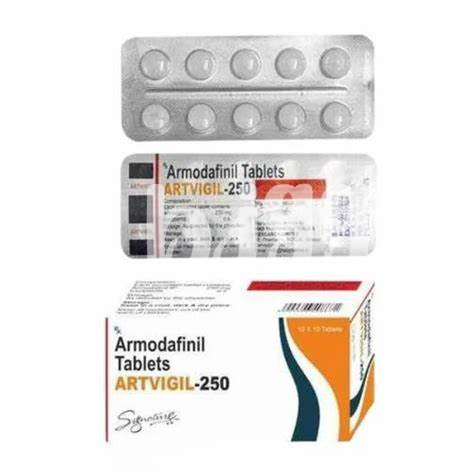
Clinical trials and placebo-controlled studies have explored artvigil's effects on sustained attention, reporting modest but consistent improvements in reaction time and vigilance. Laboratory tasks such as the psychomotor vigilance task (PVT) frequently show faster responses after dosing, particularly in sleep-deprived participants.
Neuroimaging and neurochemical research remain limited, but proposed mechanisms include modulation of monoaminergic systems and enhanced cortical activation that supports alertness. Most positive findings come from small samples or industry-sponsored trials, so effect sizes vary and broader replication is needed.
Real-world outcomes — workplace performance and academic focus — are less well studied; observational reports suggest subjective gains, yet objective measures remain mixed. Larger, more rigorous randomized trials would clarify who benefits and in which conditions.
Memory Effects: What Studies Reveal So Far
Researchers exploring artvigil’s effects on memory report cautious optimism. Small human trials and animal models suggest improvements in working memory speed and attention-linked recall, but gains are modest and task-specific. Mechanistically, benefits are tied to wakefulness-promoting pathways and secondary cholinergic modulation rather than direct encoding.
Clinical trials are small and heterogeneous: several studies show improved episodic recall during sleep deprivation, while results in rested, healthy participants are inconsistent. Differences in tasks, dosing, and outcome measures complicate interpretation. artvigil appears to help memory indirectly by enhancing alertness rather than producing robust encoding gains.
Long-term effects remain under-studied; few randomized trials examine sustained memory outcomes. Safety, tolerance, and interactions could alter cognitive trajectories, so clinicians advise caution. Future research should standardize memory tests, include diverse populations, and compare artvigil directly with other wake-promoters to clarify whether short-term gains translate into lasting benefit.
Artvigil Compared to Modafinil and Alternatives
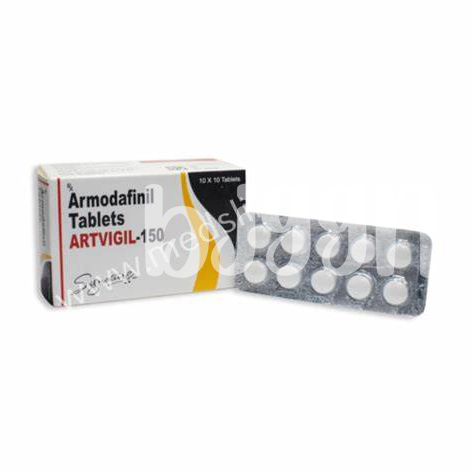
In practice many users notice subtle differences: artvigil often produces steadier wakefulness with fewer peaks than modafinil, suggesting a gentler cognitive lift during extended work sessions and improved calm focus.
Clinical evidence remains limited; armodafinil can mirror modafinil's potency while adrafinil converts into modafinil and carries hepatic concerns, so risk profiles and regulatory status shape choice for informed users only.
Ultimately individual response varies; clinicians recommend starting low, tracking cognition and mood, and weighing modest performance gains against side effects and unknown long term data before regular use or cessation.
Optimal Dosing, Timing, and Cognitive Outcomes
Timing shapes effects: many users report sharper mornings when artvigil is taken early, while late doses can disturb sleep. Small clinical trials suggest a single morning dose supports wakefulness and sustained attention across a typical workday.
Effective cognitive gains correlate with moderate dosing; studies commonly use 150–300 mg ranges, though individual response varies. Start low, monitor alertness and side effects, and align administration with circadian rhythms. More long-term trials are needed to map dose–response curves and optimal schedules for memory consolidation and executive function. Consult a clinician before changing regimens.
| Dose | Typical effect |
|---|---|
| 150 mg | Mild alertness |
| 300 mg | Stronger wakefulness |
Side Effects, Safety Concerns, and Research Gaps
Many users praise improved wakefulness, but reports also include headaches, nausea, insomnia, irritability and palpitations; rare allergic reactions and psychiatric symptoms such as anxiety or mood changes have been described. Clinicians remind patients that interactions with other drugs — notably hormonal contraceptives and CYP-metabolized medications — can alter effectiveness, so medical supervision is prudent. Individual responses vary, and dose adjustment may mitigate problems.
Evidence on long-term cognitive effects and dependence potential remains limited: most trials focus on short-term outcomes in clinical populations, leaving gaps about chronic use, safety in adolescents or pregnant people, and real-world cognitive gains for healthy adults. Rigorous, larger randomized trials and post-marketing surveillance would clarify risk profiles and optimal monitoring strategies.