
 Accutane Myths Debunked by Dermatologists
Does Accutane Permanently Damage Your Organs?
I remember a patient who feared long term harm, imagining organs failing after treatment. In reality, decades of research show isotretinoin rarely causes permanent organ damage when used correctly; transient changes in liver enzymes or lipids are common but reversible. Regular blood tests catch problems early.
Dose, duration, and medical history determine risk. Severe, lasting organ injury is exceptional and usually linked to overdoses, pre-existing disease, or lack of monitoring. Dermatologists tailor treatment, pause or stop medication if labs worsen, and coordinate with specialists when needed.
If you have liver disease, are taking other medications, or drink heavily, discuss alternatives and monitoring; informed consent and follow-up make isotretinoin safe for most patients in experienced hands.
| Test | Frequency |
|---|---|
| Liver enzymes | Baseline, 1 month, then as needed |
| Lipids | Baseline, 1 month, then periodic |
Will Isotretinoin Make You Infertile Forever?
A patient once whispered fears about permanent infertility, a haunting thought that follows many starting powerful acne therapy such as accutane daily.
Research expert consensus show isotretinoin does not cause permanent infertility for most people, though temporary changes in sperm or menstrual cycles can occur.
Clinicians advise contraception during treatment and monitoring afterwards; plan pregnancies several months later and discuss sperm banking if concerned with your dermatologist.
Ultimately fertility outcomes are favorable for most; ask your dermatologist for personalized risk assessment so decisions are informed, hopeful, and clearly guided today.
Does Acne Return Immediately after Stopping Medication?
Many finish accutane fearing instant relapse. Dermatologists reassure patients that the drug shrinks oil glands and calms inflammation, producing durable improvement rather than an immediate return of blemishes for most.
Relapses can occur, especially with hormonal fluctuations or low cumulative dosing, but dermatologists monitor progress and may recommend maintenance strategies like topical retinoids, hormonal therapy, or repeat courses when necessary.
Expect follow-up visits and realistic timelines; many patients enjoy long acne-free intervals. Discuss individualized plans so you understand risks, possible recurrence, and steps to preserve clear skin after treatment overall.
Is Low Dose Safer and Just as Effective?
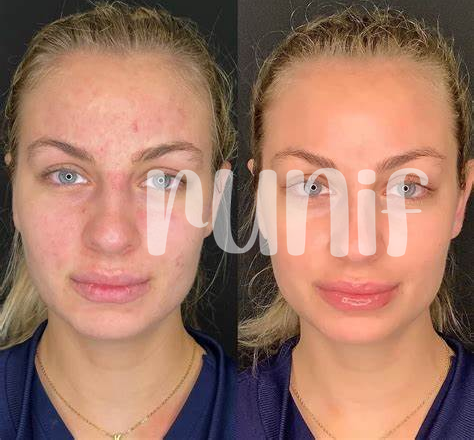
She hesitated, reading patient stories about side effects, asked the dermatologist about gentler regimens. Accutane at lower daily doses sounded appealing: fewer dry lips, easier labs, and a softer approach to clearing skin. The conversation became a shared decision based on realistic goals and tolerance.
Clinical studies show lower daily or intermittent regimens reduce side effects and often control acne, especially mild-to-moderate disease. However lower cumulative dose can increase relapse risk; effectiveness depends on total course, monitoring, and individual response. Dermatologists tailor dose to balance efficacy, safety, and long-term remission.
Does Accutane Cause Severe Depression or Suicide?
I remember a patient’s fear when they scanned warnings online, imagining mood changes as inevitable. Dermatologists acknowledge reports linking isotretinoin to mood shifts, but large studies show no proven causal link for severe depression or suicide; regular monitoring, open communication, and mental health screening make treatment safer.
If someone has prior psychiatric illness, clinicians weigh risks and benefits, often continuing accutane with closer follow-up. Immediate evaluation is crucial for new or worsening symptoms; family support and prompt timely referral to mental health professionals reduce risk, ensuring acne treatment proceeds responsibly.
| Action | Purpose |
|---|---|
| Monitor mood | Early detection |
Can You Safely Use Isotretinoin with Other Treatments?
When you’re on isotretinoin, combining therapies requires finesse. Dermatologists often advise avoiding concurrent treatments that increase skin irritation — chemical peels, waxing, topical retinoids — because isotretinoin thins and sensitizes the skin. However, non-irritating adjuncts like oral antibiotics before starting, gentle cleansers, and emollient moisturizers can complement therapy and ease side effects.
Discussing co-therapy with your dermatologist is essential: they’ll tailor timing, doses, and which agents are safe. Isotretinoin interacts with vitamin A supplements and some acne procedures, so avoid self-medicating. For many patients, gradual introduction of maintenance topicals after completion lowers relapse risk. Careful monitoring and clear communication ensure combined strategies improve outcomes without unnecessary risk. Never mix isotretinoin with extra vitamin A or experimental creams.