

Save 5% by Subscribing

FAST SHIPPING ON ALL ORDERS

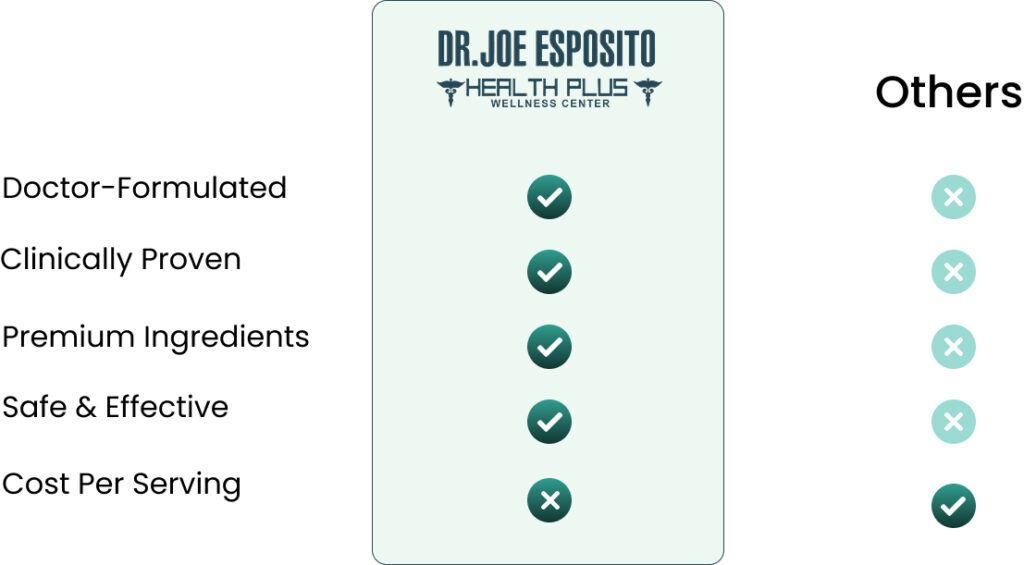
CLINICALLY-PROVEN
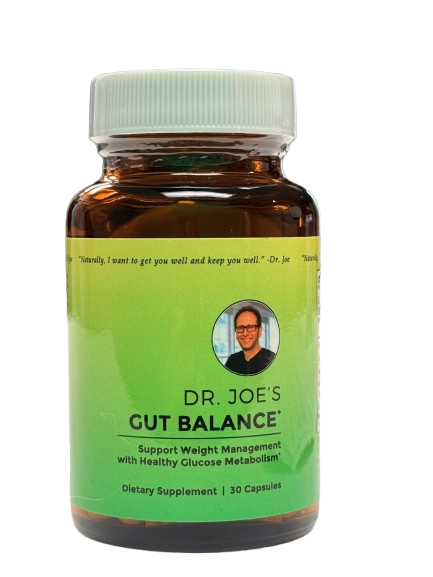
Dr. Joe’s Gut Balance
Key Features & Benefits
$54.75 — or $52.01 / month
[Shake well before use. Natural settling may occur.]
Professional-Grade Quality Testing
Dr. Joe’s passion for chiropractic care was born from a deeply personal experience—witnessing his father suffer from chronic pain and then recover dramatically through spinal alignment. This transformation gave Dr. Joe a clear purpose: to help others experience natural healing without reliance on drugs or surgery. His father’s return to a normal, fulfilling life became the driving force behind Dr. Joe’s lifelong mission to get people well and keep them well.
With over 37 years in practice, Dr. Joe brings a wealth of clinical knowledge and hands-on experience to every patient he treats. He holds multiple prestigious credentials, including Diplomate status in Clinical Nutrition, Chiropractic Orthopedics, and Pain Management. His education at Life University and extensive training in spinal care, nutrition, and brain injury recovery enable him to address the root causes of health issues—not just the symptoms—using a comprehensive and holistic approach.
Dr. Joe is not only a practitioner but also a passionate educator. Through his nationally syndicated radio show, “The Dr. Joe Show,” as well as television appearances, public lectures, and authored books, he reaches tens of thousands each week. His goal is to share practical, science-backed health advice with the broader public, empowering individuals to take control of their well-being. His communication style is clear, engaging, and focused on helping people make lasting changes.
Potential Benefits of Each Strain
Bifidobacterium animalis subsp. lactis HN019
Bifidobacterium animalis subsp. lactis B420
Lactobacillus rhamnosus GG (LGG)
|
Akkermansia muciniphila AH39
Clostridium butyricum
|
🔍 Why this combination might make sense (and how it aligns with gut & brain health)
- Strains supporting gut barrier integrity (HN019, B420, A. muciniphila, C. butyricum) may help reduce chronic low-grade inflammation and endotoxin leakage — beneficial for systemic and brain health.
- Metabolic-focused strains (B420, A. muciniphila) can help improve waist circumference, fat mass, and insulin sensitivity.
- The combination provides broad coverage: digestive regularity (HN019), metabolic/gut-barrier (B420 + A. muciniphila), SCFA generation (C. butyricum), and foundational gut/immune support (LGG).
- This formula uses a digestive resistant capsule (check the nutritional facts section of label. They should’ve seen that), which is designed to protect the bacteria from stomach acid and release them further down in the intestine. The strains were also chosen for durability. L. rhamnosus GG is well known for acid and bile tolerance, the Bifidobacterium strains are well researched for GI survival, and Clostridium butyricum is spore-forming, so it’s naturally acid resistant. The Akkermansia is mostly pasteurized, which has shown benefit without needing to be viable.
⚠️ Important Caveats & Considerations
- Interactions: If on immunosuppressants, antibiotics, or with significant gut pathology (IBD, surgery), consult your clinician first.
🧭 Summary – What You Might Expect
- Improved bowel regularity or motility (especially from HN019).
- Enhanced gut barrier integrity (reduced “leaky gut”) and lower inflammation.
- Better metabolic parameters (waist, fat mass, insulin sensitivity) via B420 + A. muciniphila.
- Increased beneficial SCFA (butyrate) from C. butyricum supporting colon and immune function.
- General gut/immune resilience from LGG.
Achieve Lasting Health with Holistic Chiropractic Care by Dr. Joe



Spinal Health
Dr. Joe focuses on spinal misalignments to alleviate pain and improve your body’s natural function. By restoring proper alignment, he helps reduce stress on nerves, allowing your body to heal naturally. Experience lasting relief and enhanced overall wellness.
Nutritional Support
Dr. Joe integrates nutritional guidance with chiropractic care to improve your body’s function from the inside out. His expert advice helps optimize your digestive health and provides the nutrients needed for vitality. Achieve a healthier lifestyle through personalized nutrition plans.
Pain Relief
Dr. Joe’s pain management approach targets the root causes of discomfort, rather than just masking symptoms. Through holistic treatments, he helps patients recover from injuries and chronic pain. Enjoy long-term relief with treatments tailored to your unique needs.
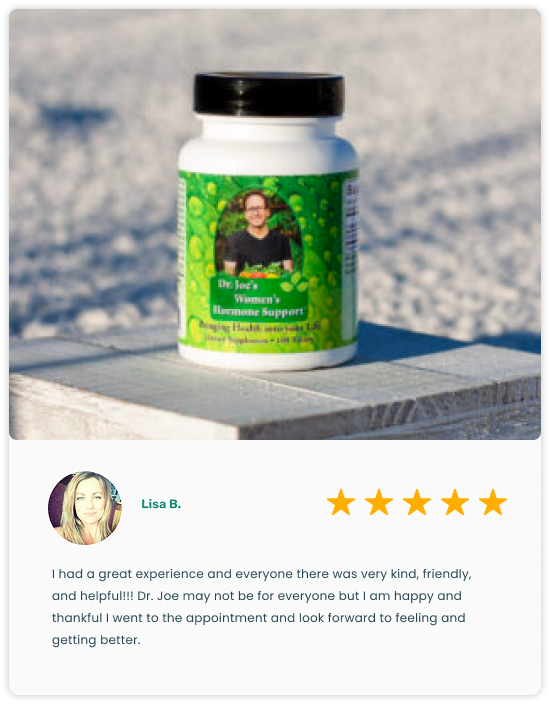
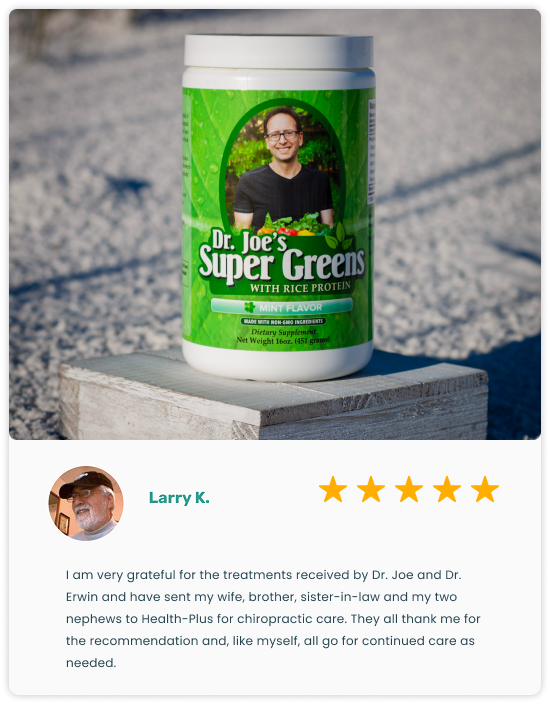
What People Are Saying

Frequently Asked Questions

What do clients say about their experience with Dr. Joe?
Our clients consistently share how their pain has decreased, energy has increased, and overall health has improved. Many describe their experience as life-changing and empowering.
How soon can I expect results from treatment?
They act synergistically to support bone strength and cardiovascular health.
Why do clients keep coming back to Dr. Joe?
Clients trust Dr. Joe not only for his expertise but also for his genuine care and commitment to long-term wellness. They appreciate the holistic care that goes beyond temporary fixes.
Are there any success stories I can read or watch?
Yes! We regularly share real client testimonials and stories on our website and social media pages, highlighting how Dr. Joe’s care has made a lasting impact on their health and happiness.
Related Products:
-
Sale!

Dr. Joe’s Essential Source – Peach Mango
$52.99 — or $50.34 / month Add to cart -
Sale!

Dr. Joe’s Energy Boost Chewables
$39.99 — or $37.99 / month Add to cart -

Dr Joe’s Essentials Starter Kit
$42.99 – $65.25Price range: $42.99 through $65.25 View products -
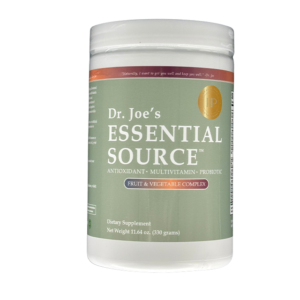
Essential Source
$52.99 — or $50.34 / month Add to cart