
Cold Laser & Acoustic Wave Therapy: Natural Alternatives to Surgery and Drugs
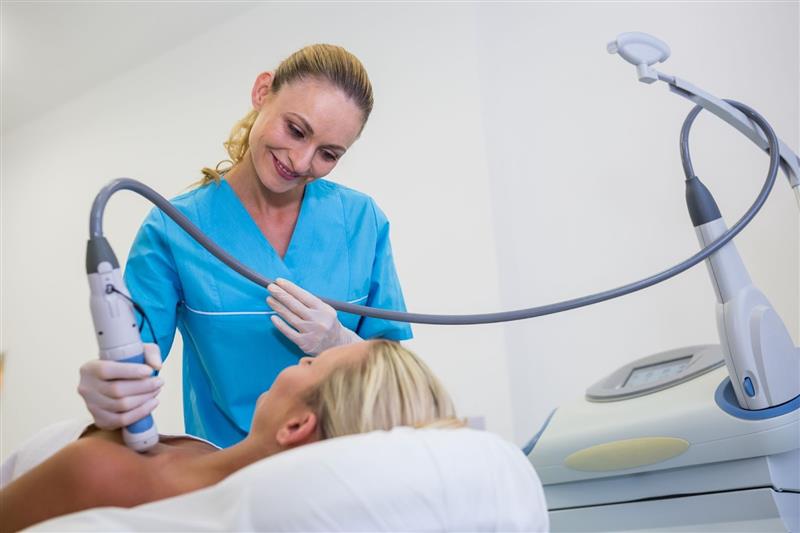
Chronic pain is one of the most common health challenges people face today, affecting millions globally. It can interfere with daily activities, work productivity, sleep, and overall quality of life. Many individuals suffering from persistent joint pain, muscle stiffness, or tendon injuries often turn to medications or surgery for relief. While these approaches can provide temporary solutions, they sometimes come with side effects, long recovery times, or only treat symptoms rather than the underlying problem.
Fortunately, advances in non-invasive therapies such as cold laser therapy and acoustic wave therapy offer effective alternatives for managing pain naturally. These treatments focus on promoting the body’s self-healing processes, reducing inflammation, and improving circulation without the need for drugs or surgical interventions. Understanding cold laser therapy benefits and how acoustic wave therapy complements it can help individuals make informed decisions about their health and wellness.
What is Cold Laser Therapy?
Cold laser therapy, also known as low-level laser therapy (LLLT), uses specific wavelengths of light to penetrate the skin and stimulate cellular repair. Unlike surgical lasers that cut tissue, cold lasers are non-thermal and safe, promoting healing without causing damage. This therapy is widely used to address pain and inflammation in soft tissues, muscles, and joints.
How Cold Laser Therapy Works
Cold laser therapy works at the cellular level. When the laser light penetrates the skin, it interacts with cells to increase the production of adenosine triphosphate (ATP), which is the energy currency of cells. Increased ATP accelerates cellular repair, reduces inflammation, and enhances tissue regeneration. Additionally, cold lasers improve microcirculation, delivering more oxygen and nutrients to affected areas, which supports natural healing.
Common Uses for Cold Laser Therapy
Cold laser therapy is versatile and can be used for a range of conditions, including:
- Chronic joint pain, such as osteoarthritis
- Tendonitis and ligament injuries
- Muscle strains and sprains
- Neck and back pain
- Carpal tunnel syndrome
- Post-surgical healing support
What is Acoustic Wave Therapy?
Acoustic wave therapy, also called shockwave therapy, uses high-energy sound waves to stimulate healing in targeted tissues. These sound waves create microtrauma in the tissue, which triggers the body’s natural repair mechanisms. Acoustic wave therapy has been studied extensively for musculoskeletal conditions and has shown positive results in reducing chronic pain and improving mobility.
How Acoustic Wave Therapy Works
The high-frequency acoustic waves delivered during therapy stimulate increased blood flow to the affected area, promoting the regeneration of damaged tissues. They also help break down scar tissue, improve collagen production, and enhance oxygen delivery to cells. This combination of effects encourages natural healing, reduces pain, and can improve function in joints, tendons, and muscles.
Common Uses for Acoustic Wave Therapy
Acoustic wave therapy is commonly applied to treat:
- Chronic plantar fasciitis
- Tendon and ligament injuries
- Muscle stiffness and chronic pain conditions
- Erectile dysfunction (in certain cases)
- Sports-related injuries
- Scar tissue management and post-injury rehabilitation
Cold Laser Therapy Benefits
Cold laser therapy provides numerous advantages for individuals seeking non-surgical pain relief. Here are some of the key benefits:
1. Natural Pain Relief Without Medications
One of the most significant cold laser therapy benefits is its ability to alleviate pain without the need for medications. Unlike painkillers that only mask discomfort, cold laser therapy addresses the underlying inflammation and cellular dysfunction causing pain. Patients can experience relief from chronic joint and muscle pain while avoiding the side effects of long-term medication use.
2. Accelerated Tissue Healing
By stimulating cellular repair and enhancing ATP production, cold laser therapy accelerates tissue healing. Injured muscles, tendons, and ligaments recover more quickly, helping patients return to their daily activities without extended downtime.
3. Reduced Inflammation and Swelling
Cold laser therapy helps regulate inflammatory processes, decreasing swelling and redness in affected areas. This reduction in inflammation not only relieves pain but also prevents further tissue damage, promoting long-term joint and muscle health.
4. Non-Invasive and Safe
Cold laser therapy is non-invasive and painless. It does not involve needles, surgery, or radiation, making it a safe option for patients of all ages. Treatments are typically quick and can be done in an outpatient setting with no recovery time required.
5. Enhanced Blood Flow and Circulation
Improved microcirculation is another critical cold laser therapy benefit. Better blood flow delivers more oxygen and nutrients to tissues, supporting healing, reducing stiffness, and improving joint function.
6. Support for Post-Surgical Recovery
Cold laser therapy can also be used as part of post-surgical rehabilitation. It can help reduce pain and inflammation, speed up tissue repair, and minimize scar tissue formation, complementing conventional medical care.
Acoustic Wave Therapy Benefits
While cold laser therapy focuses on cellular repair and inflammation, acoustic wave therapy works by stimulating tissue regeneration and circulation through mechanical sound waves. At Dr. Joe’s Clinic, these non-invasive therapies are tailored to support natural healing and long-term wellness. Its benefits include:
1. Enhanced Circulation and Oxygen Delivery
Acoustic waves improve blood flow to affected tissues, enhancing oxygen and nutrient delivery. This increased circulation supports faster healing and reduces pain caused by poor tissue perfusion.
2. Tissue Regeneration and Collagen Production
The microtrauma induced by acoustic waves stimulates fibroblasts, which are essential for collagen production. Collagen is a key structural protein in connective tissue, helping repair tendons, ligaments, and muscles effectively.
3. Non-Surgical Pain Reduction
Acoustic wave therapy provides an alternative for patients looking to avoid surgery. It can reduce chronic pain in joints and soft tissues, improve mobility, and enhance functional performance in everyday activities.
4. Breaks Down Scar Tissue and Calcifications
Injured tissues often develop scar tissue or calcifications, which can restrict movement and cause pain. Acoustic wave therapy helps break down these deposits, restoring flexibility and function to the affected area.
5. Complementary to Other Therapies
Acoustic wave therapy can be combined with cold laser therapy or other conservative treatments to enhance overall results. The combination can accelerate healing, reduce pain, and improve long-term outcomes.
Comparing Cold Laser and Acoustic Wave Therapy
While both therapies are non-invasive and promote natural healing, there are key differences:
| Feature | Cold Laser Therapy | Acoustic Wave Therapy |
| Mechanism | Light energy stimulates cellular repair | High-energy sound waves stimulate tissue regeneration |
| Primary Use | Reduces inflammation, relieves pain, accelerates soft tissue healing | Breaks down scar tissue, improves circulation, stimulates collagen |
| Treatment Time | Short sessions, usually 10–20 minutes | Slightly longer sessions, often 15–30 minutes |
| Sensation | Painless, mild warmth | May feel tingling or slight discomfort |
| Recovery | No downtime | Minimal recovery; normal activity is usually possible immediately |
In practice, the two therapies can complement each other. Cold laser therapy can address inflammation and cellular repair, while acoustic wave therapy focuses on breaking down scar tissue and stimulating tissue regeneration. Together, they provide a holistic, non-surgical approach to chronic pain management.
Risks, Limitations, and Precautions
Although both therapies are generally safe, patients should be aware of potential risks and limitations:
- Cold Laser Therapy Risks: Mild temporary redness, tingling, or warmth in the treated area. Rarely, patients may experience temporary pain flare-ups.
- Acoustic Wave Therapy Risks: Slight soreness, swelling, or redness in the treatment area. Discomfort may occur during therapy, but it usually resolves quickly.
- Precautions: Pregnant individuals, patients with certain medical conditions, or those with active infections should consult a healthcare professional before undergoing these treatments.
- Professional Assessment: Both therapies should be administered by trained professionals to ensure proper dosage, targeting, and safety.
Supporting Healing Beyond Therapy
To maximize the benefits of cold laser and acoustic wave therapy, patients can take additional steps to support natural healing:
- Maintain good posture to reduce stress on joints and muscles.
- Incorporate low-impact exercises like walking, swimming, or yoga to strengthen supporting muscles.
- Follow a balanced diet rich in anti-inflammatory foods to support tissue repair.
- Stay hydrated to maintain optimal tissue health.
- Practice stress management techniques such as meditation or deep breathing to reduce muscle tension.
Conclusion
Non-surgical, drug-free treatments like cold laser and acoustic wave therapy provide effective alternatives for managing chronic pain and promoting natural healing. Understanding cold laser therapy benefits and how acoustic wave therapy complements it can help patients make informed decisions about their care.
These therapies address the root causes of pain, improve circulation, reduce inflammation, and stimulate tissue regeneration, allowing individuals to recover naturally and safely. By combining professional therapy with healthy lifestyle habits, patients can achieve lasting relief without the risks associated with surgery or medications.
Take the first step toward natural pain relief today. Consult a qualified healthcare professional to explore cold laser and acoustic wave therapy options and develop a personalized treatment plan that supports your long-term wellness.
FAQs:
1. What are the main benefits of cold laser therapy?
Cold laser therapy provides natural pain relief, reduces inflammation, accelerates tissue healing, and improves circulation without surgery or medications.
2. How does cold laser therapy reduce chronic pain?
By stimulating cellular repair and enhancing ATP production, cold laser therapy decreases inflammation, relieves nerve irritation, and promotes natural tissue healing.
3. Is cold laser therapy safe and non-invasive?
Yes. Cold laser therapy is non-invasive, painless, and safe for most patients. It does not involve surgery or drugs and typically requires no recovery time.
4. Which conditions can benefit from cold laser therapy?
It is commonly used for joint pain, muscle strains, tendon injuries, arthritis, back and neck pain, and post-surgical rehabilitation.
5. How soon can patients expect results from cold laser therapy?
Many patients notice reduced pain and improved mobility within a few sessions, although the number of treatments needed depends on the severity of the condition.