Acoustic Wave Therapy in Duluth
Acoustic Wave Therapy is a non-surgical, drug-free treatment that uses advanced acoustic wave technology, also known as radial shockwave therapy (rESWT), to manage pain effectively. This gentle therapy targets injured tissues to promote healing and provide lasting pain relief. It has been clinically shown to be effective for a wide range of muscle, tendon, and ligament conditions and injuries.
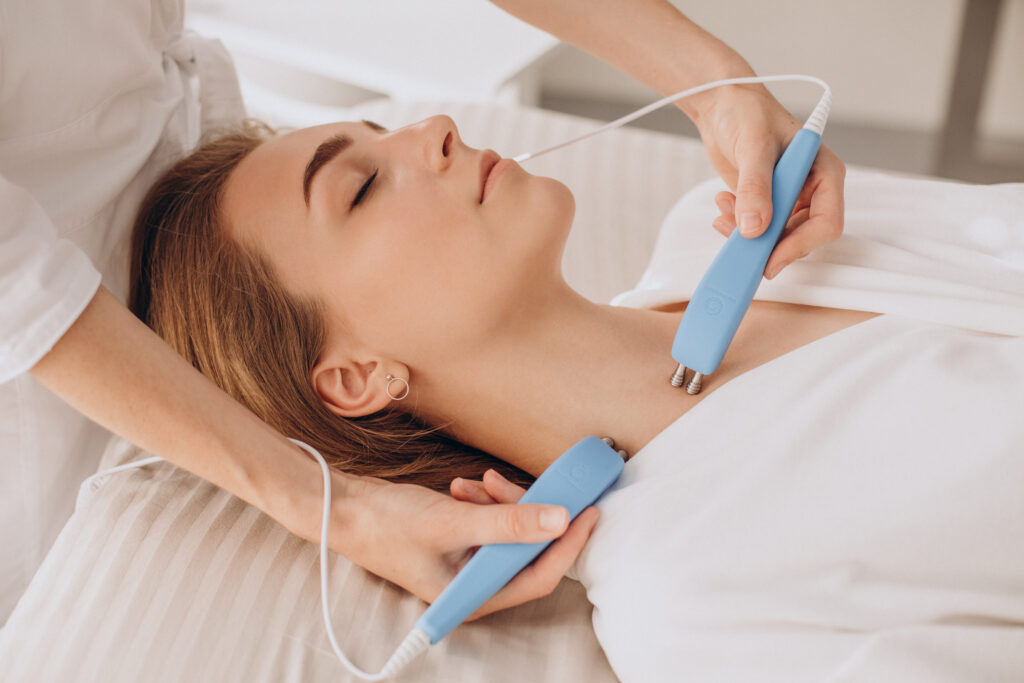
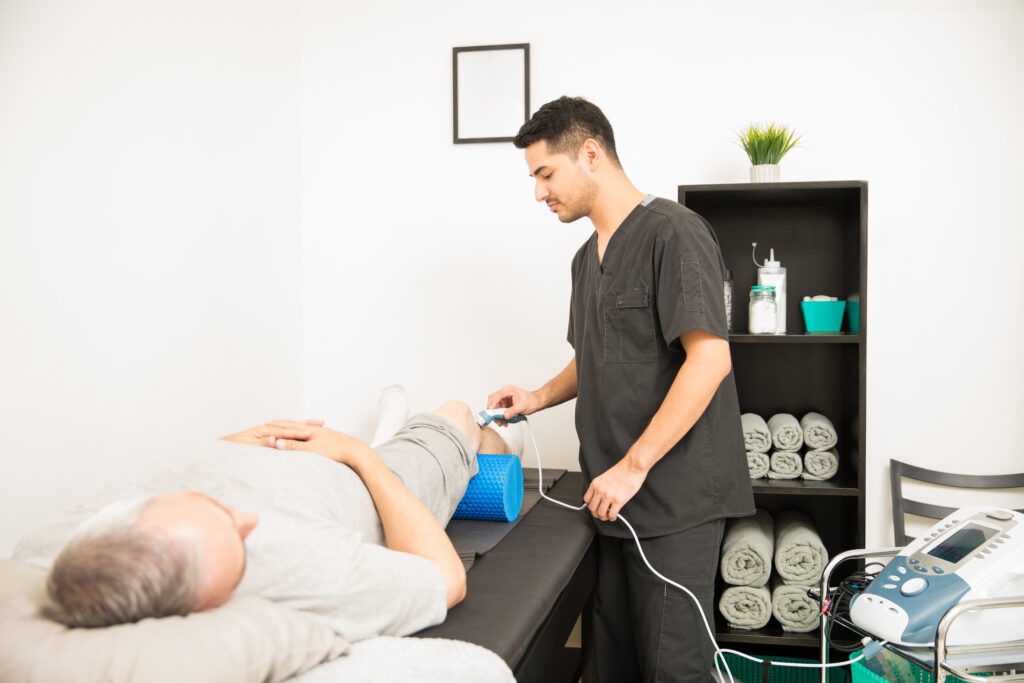
How Does Acoustic sound Wave therapy Work?
Focused Acoustic Energy – Powerful acoustic waves are directed into affected tissues to activate cellular repair and stimulate tissue regeneration.
Enhanced Blood Flow – The therapy boosts circulation, helping oxygen and essential nutrients reach injured areas more efficiently.
Body’s Natural Recovery – By activating the body’s own healing mechanisms, treatment helps lower inflammation and speeds up the recovery process.
What Are the Benefits of Acoustic Wave Therapy in Duluth?
Targeted Pain Reduction – Relieves pain by decreasing inflammation, improving circulation, and encouraging natural healing.
Medication-Free Treatment – Offers effective pain relief without surgery, injections, anesthesia, or prescription drugs.
Accelerated Healing – Promotes faster tissue repair through increased cellular activity and improved nutrient delivery.
Little to No Downtime – Most patients return to normal daily activities immediately after treatment.
Lower Risk of Reinjury – Helps strengthen damaged tissues and improve movement, reducing the chance of recurring issues.
Convenient Appointments – Sessions are brief and efficient, making them easy to fit into a busy schedule.
What Results Can Be Expected?
Numerous clinical studies support the effectiveness of acoustic wave therapy. For example, research on tennis elbow showed that patients receiving acoustic wave therapy experienced greater overall improvement after 30 days compared to those treated with traditional physical therapies, including anti-inflammatory medications, laser therapy, and ultrasound.
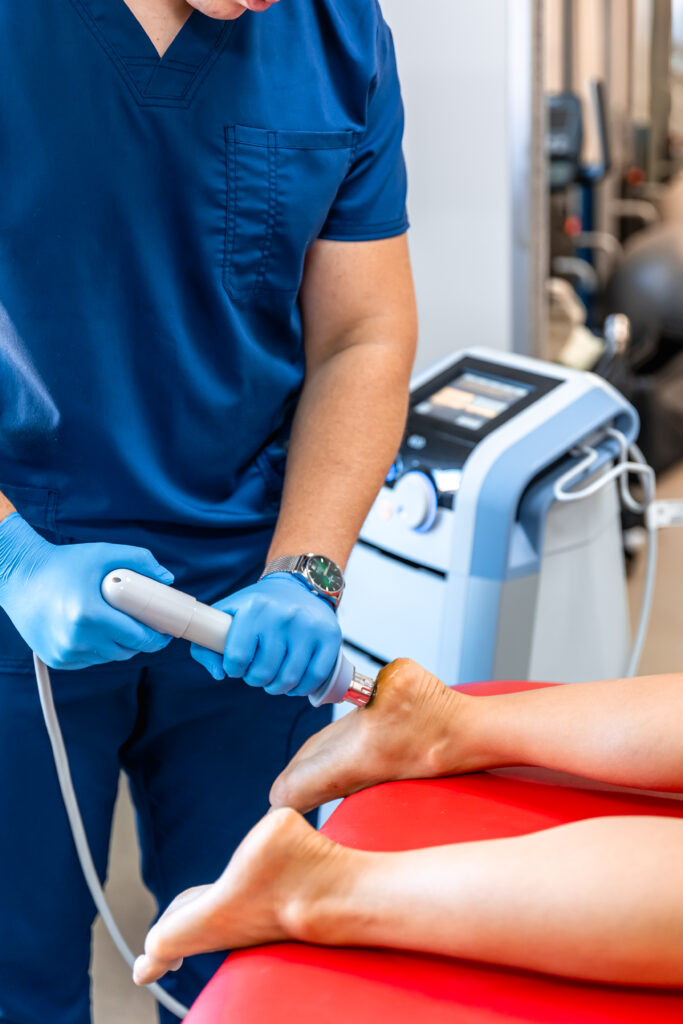
Clinical Evidence Supporting Acoustic shockwave Therapy
A study by Vasileios Dedes and colleagues found that acoustic wave therapy, including radial shockwave therapy (rESWT), delivered long-lasting pain reduction, improved function, and enhanced quality of life for conditions such as plantar fasciitis, tennis elbow, Achilles tendinopathy, and rotator cuff disorders.
Another long-term study on plantar fasciopathy reported a 98% treatment success rate after one year, with only an 8% recurrence rate, highlighting the durability of results.
Referenced research includes:
- Current Health Sciences Journal (2018): Effectiveness of Shockwave Therapy in Lateral Epicondylitis
- Mater Sociomed (2018): Effectiveness and Safety of Shockwave Therapy in Tendinopathies
- BioMed Research International (2016): Success and Recurrence Rates after Radial Shockwave Therapy for Plantar Fasciopathy
Diversified Technique
Activator Technique
Thompson Technique
Sacro-Occipital Technique (SOT)
The Sacro-Occipital Technique (SOT) was developed in the 1920s by Major Bertrand DeJarnette, a chiropractor, osteopath, and engineer. Inspired to go beyond standard spinal adjustments, he created methods to correct not only the spine but also the cranium, pelvis, extremities, and internal organs.
SOT focuses on patterns within the body rather than isolated areas, with the most significant being the relationship between the sacrum and the occiput—hence the name of the technique.
A unique feature of SOT is the use of indicators. Each adjustment is guided by specific signals in the body. For example, tension in the knee may indicate a need to correct the pelvis, while connective tissue fibers at the base of the skull (occipital fibers) can signal which vertebrae require adjustment. These indicators also help determine whether a previous correction was fully or partially effective.
Based on these signals, each visit involves a tailored adjustment plan, listening closely to the body’s responses. Mastery of this method requires extensive study, but it allows for precise and effective adjustments without relying solely on X-rays.
Applied Kinesiology (AK)
Applied Kinesiology (AK) is a holistic system that assesses the structural, chemical, and mental aspects of health using manual muscle testing alongside traditional diagnostic methods. As a non-invasive approach, AK evaluates body function uniquely and has quickly become an influential practice within modern healthcare.
The term “Applied Kinesiology” reflects the core principle of this system: using muscle testing to analyze body function through the mechanics of the musculoskeletal system. Treatments may include targeted joint manipulation or mobilization, myofascial therapies, cranial techniques, meridian and acupuncture methods, clinical nutrition guidance, dietary planning, lifestyle and environmental assessments, counseling strategies, and specialized reflex procedures, all designed to support optimal body performance and overall wellness.
Soft Tissue Orthopedics
Soft tissue orthopedics involve making precise adjustments to the organs in the body to improve their function. For example, digestive issues can sometimes occur when the stomach is displaced upward into the diaphragm. Our skilled chiro practitioners in Duluth are trained to reposition the stomach, gently moving it away from the diaphragm to restore proper alignment.
This technique is highly effective in many cases, and our specialists can adjust a variety of organs throughout the body to support overall health.
Patient Forms
Download and complete the appropriate forms for your appointment.
- HIPAA Privacy Policy
- Auto Accident Form
Need quality care near you?
Visit the Health Plus Wellness Clinics




Begin Acoustic Pressure Wave Therapy in Duluth
If you’re looking for acoustic wave or shockwave therapy in Duluth, our clinic provides clinically supported, medication-free pain relief. Book a consultation to review treatment options, discuss acoustic wave therapy costs, and determine whether this approach is right for improving your recovery and long-term mobility.
What People Are Saying